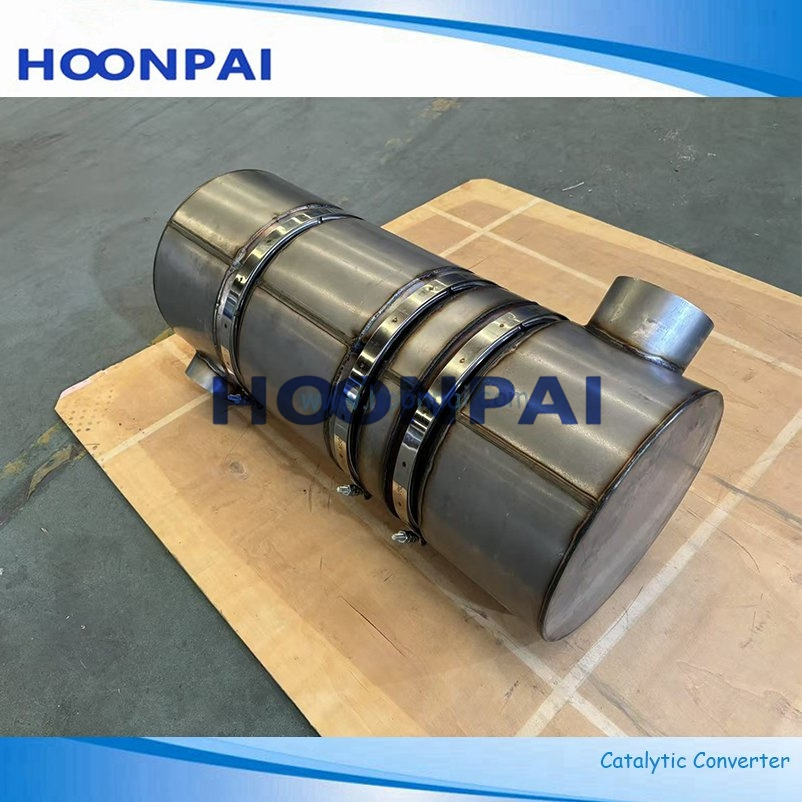
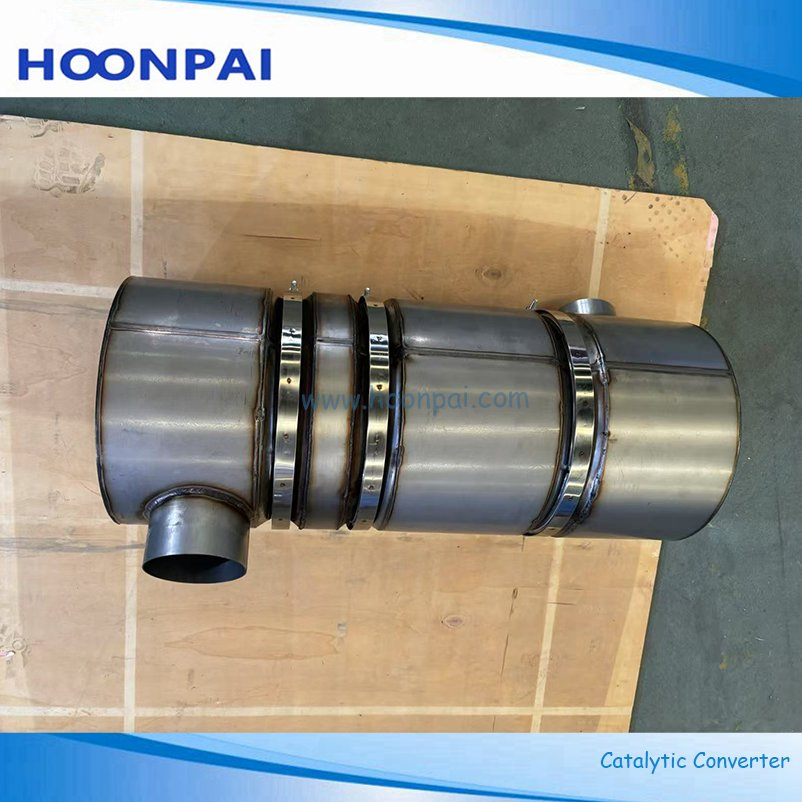
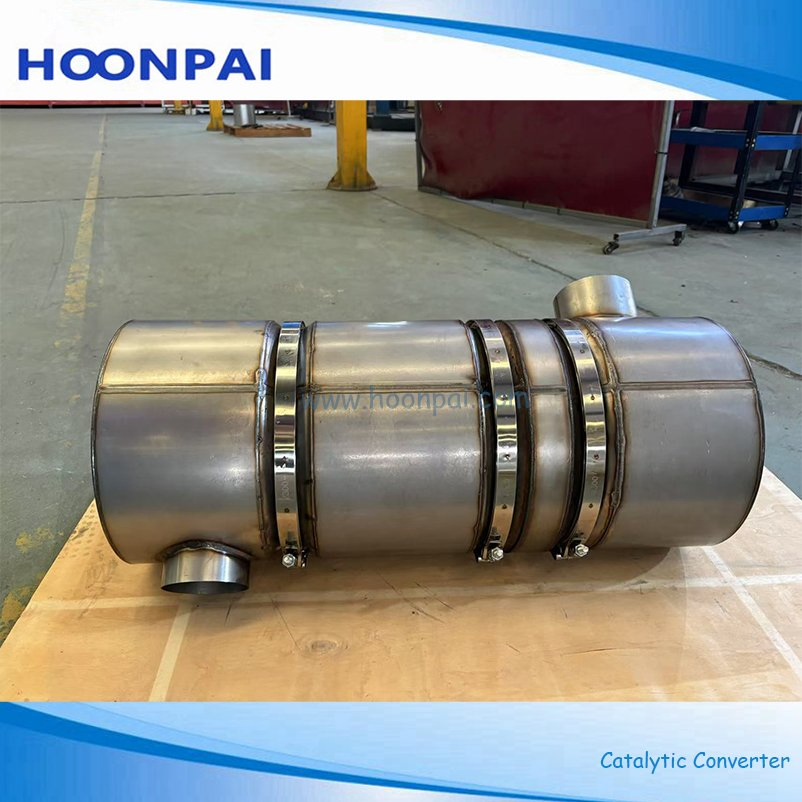
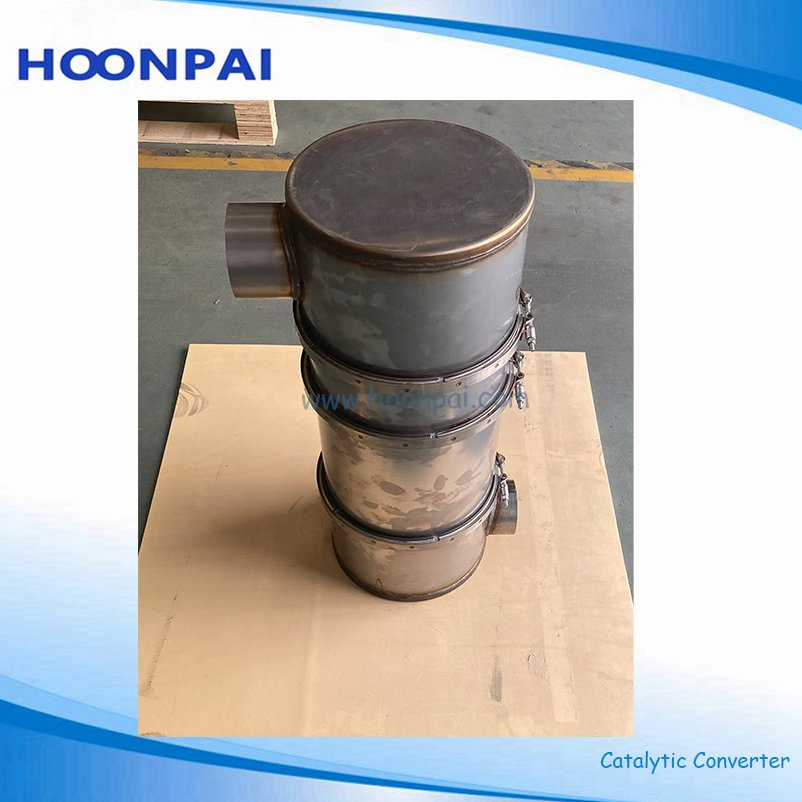
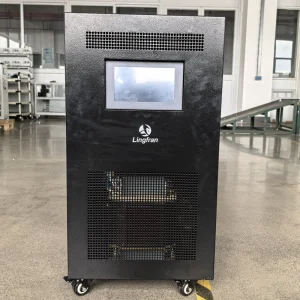
Basic Specifications
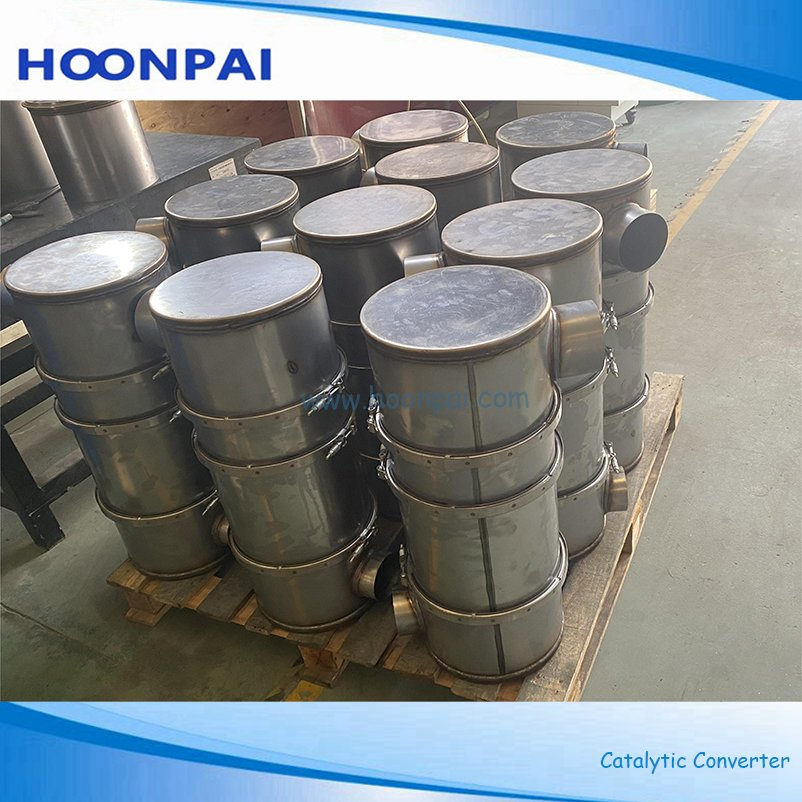
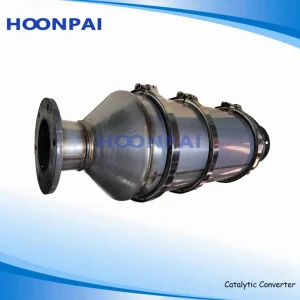
Model NO.:DPF+DOC
Suitable Brands:All Brands
Engine Type:Diesel Engine
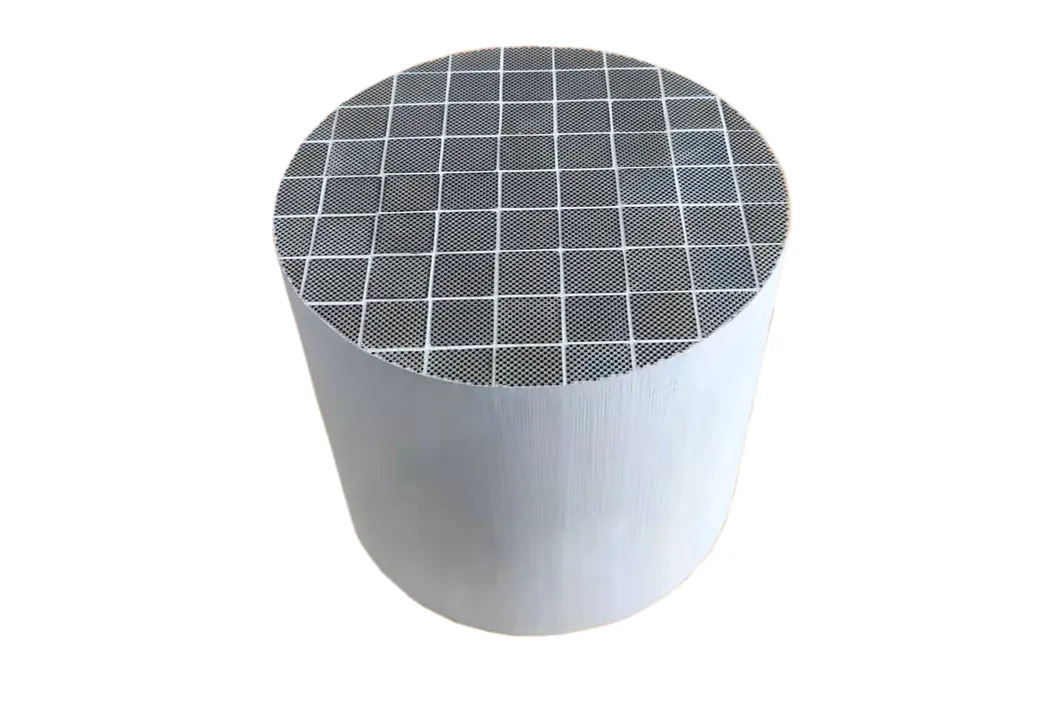
Body Material:Cordierite
Standard:Europe Standard
Mesh Count:200-400
Main Market:Europe
Package Size:70x80x60cm
Core Technology Introduction
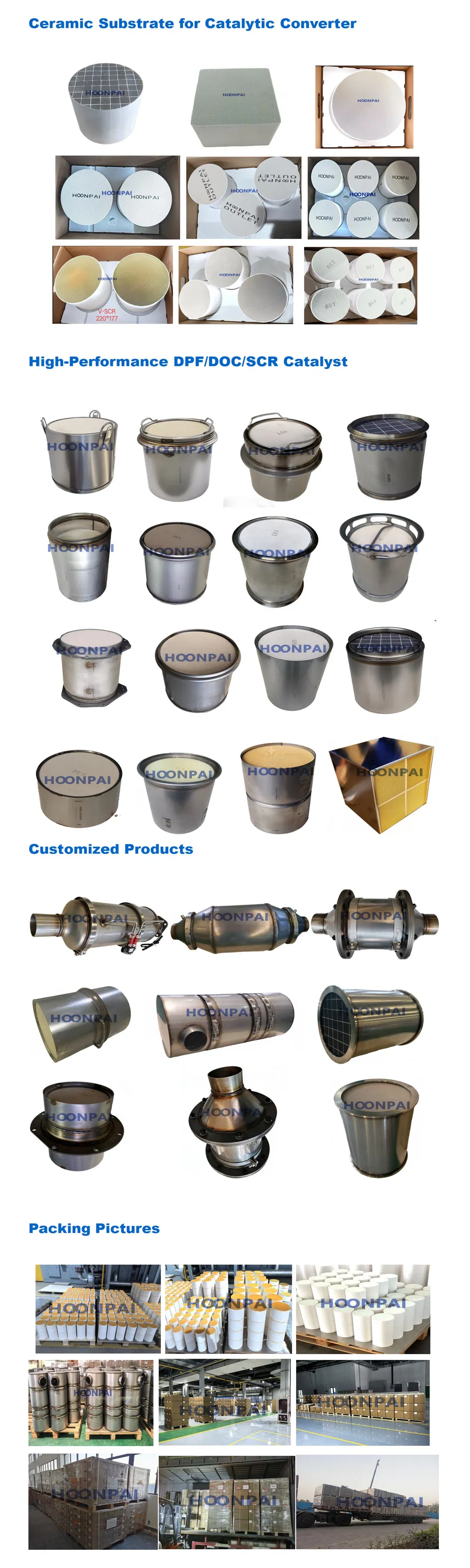
DPF Introduction: The only option to satisfy particle number emissions. Support materials include ceramics, aluminum titanate, and silicon carbide.
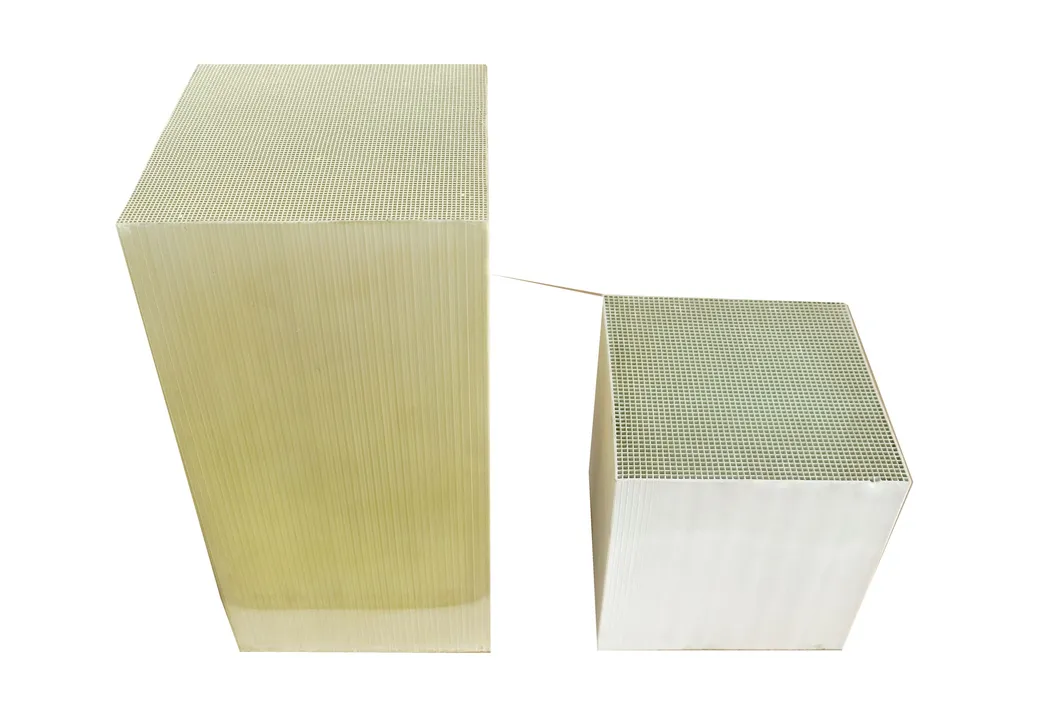
DOC Introduction: Oxidizes unburned hydrocarbons (HC) and carbon monoxide (CO) into water and CO2. Essential for SCR efficiency.
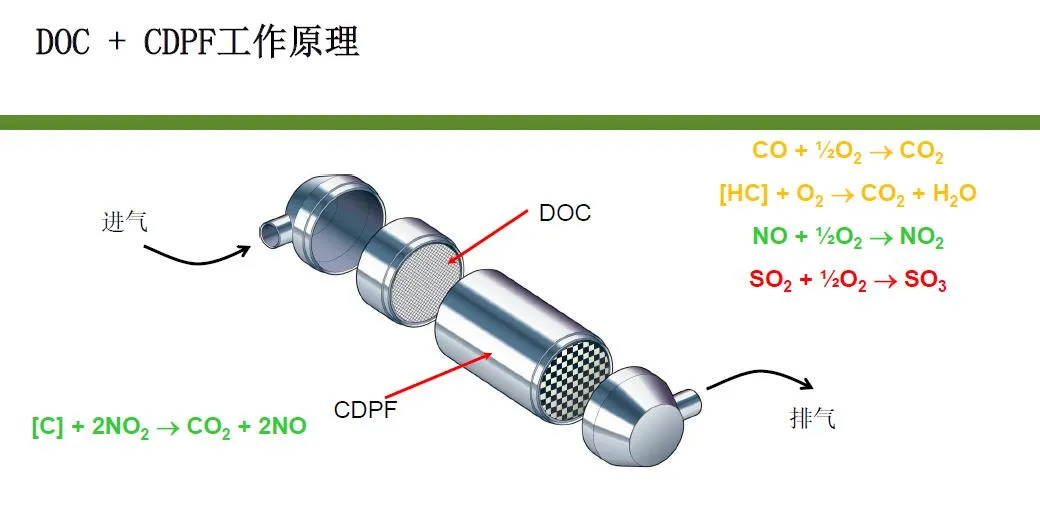
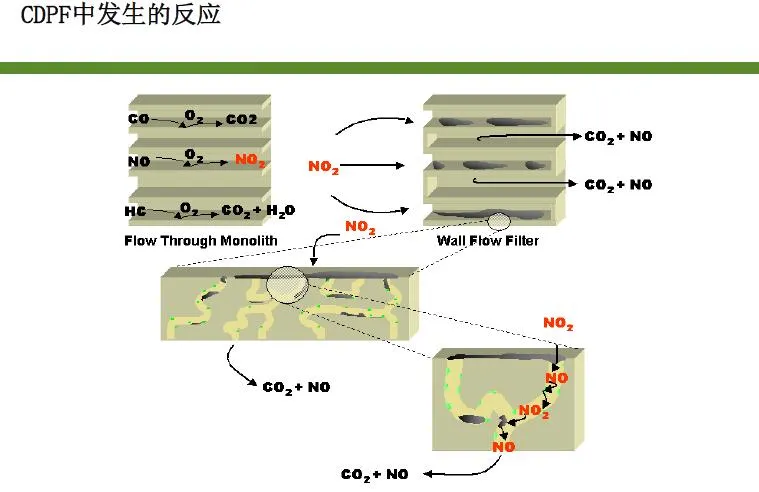
Working Principle of DOC + CDPF
⚙️
DOC: Oxidation of NO to NO2 and removal of CO and HC.
CDPF: Captured carbon particles react with NO2 at low temperature to produce CO2 emissions for continuous regeneration.
Product Advantages
- Excellent thermal shock resistance.
- Unique cellular designs reducing vortex and bubbles.
- Accurate extrusion die for stable quality and consistency.
- Improving casting surface performance and density.
- Good chemical stability, unaffected by melted metal.
- Precise dimension for automatic filter mounting lines.
Global Application Projects
Commercial Vehicles: Euro 4, 5, and 6 catalysts including DOC, SCR, and CDPF.
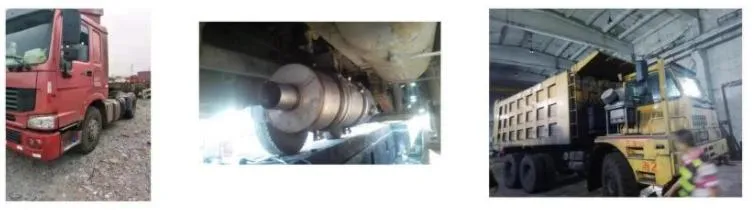
Road Vehicles: Aftermarket Euro III-V solutions for Japan and Europe.
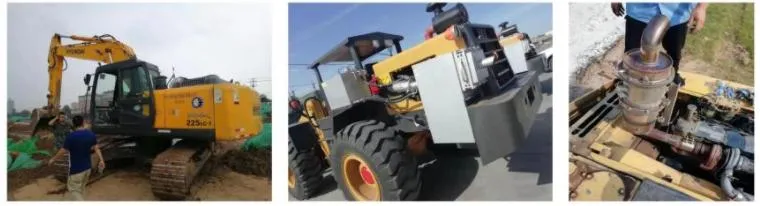
Non-Road & Farm: Custom solutions for engineering and agricultural machinery.
Industrial & Production Capacity
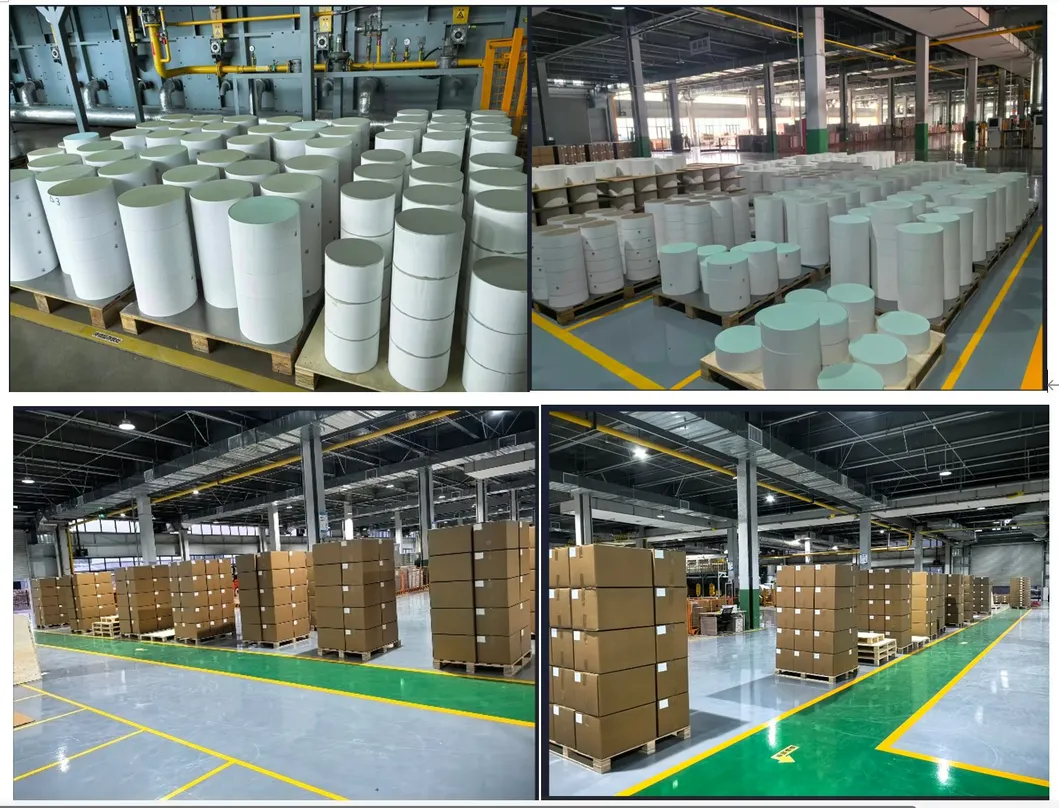
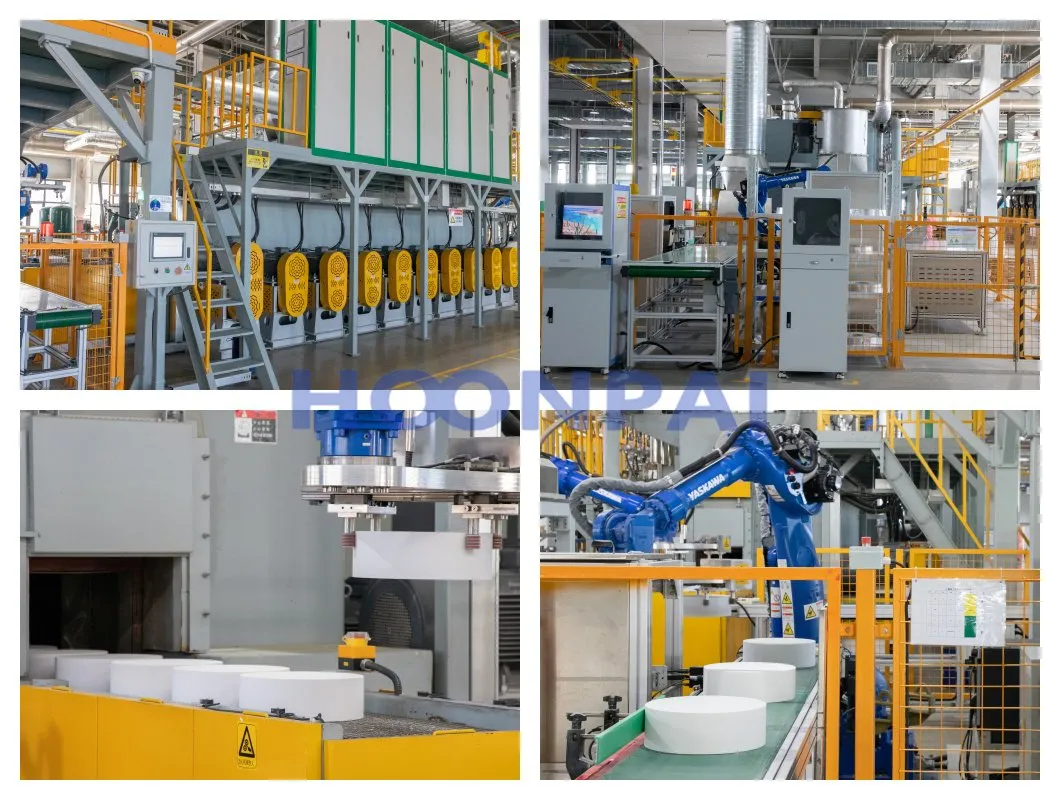
Our facility features a 30,000 m² construction area with an annual production capacity of 6 million liters, specializing in DOC, DPF, and SCR systems.
Frequently Asked Questions
Q1: What materials are used for the DPF support?
Common materials include Cordierite, Aluminum Titanate, and Silicon Carbide, chosen based on regeneration strategies.
Q2: What is the main function of the DOC?
It oxidizes unburned hydrocarbons (HC) and carbon monoxide (CO) into harmless water and carbon dioxide.
Q3: Which emission standards do your products meet?
Our catalysts are designed for Euro 3, 4, 5, and 6 standards, as well as Non-road T4 requirements.
Q4: Can these systems be used for industrial power plants?
Yes, we provide customized denitration and VOCs catalysts for stationary sources, power plants, and industrial boilers.
Q5: What shapes are available for the catalytic converters?
They are available in Round, Oval, and Square shapes to fit various exhaust systems.
Q6: What is the annual production capacity?
Currently, our facility can produce up to 500,000 pieces per year or 6 million liters of coating capacity.