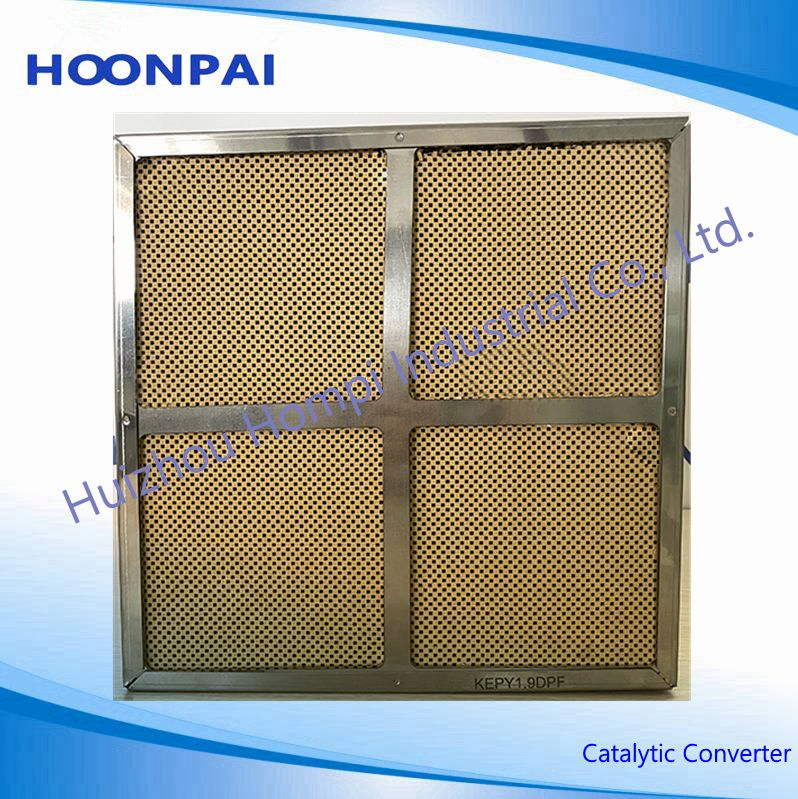
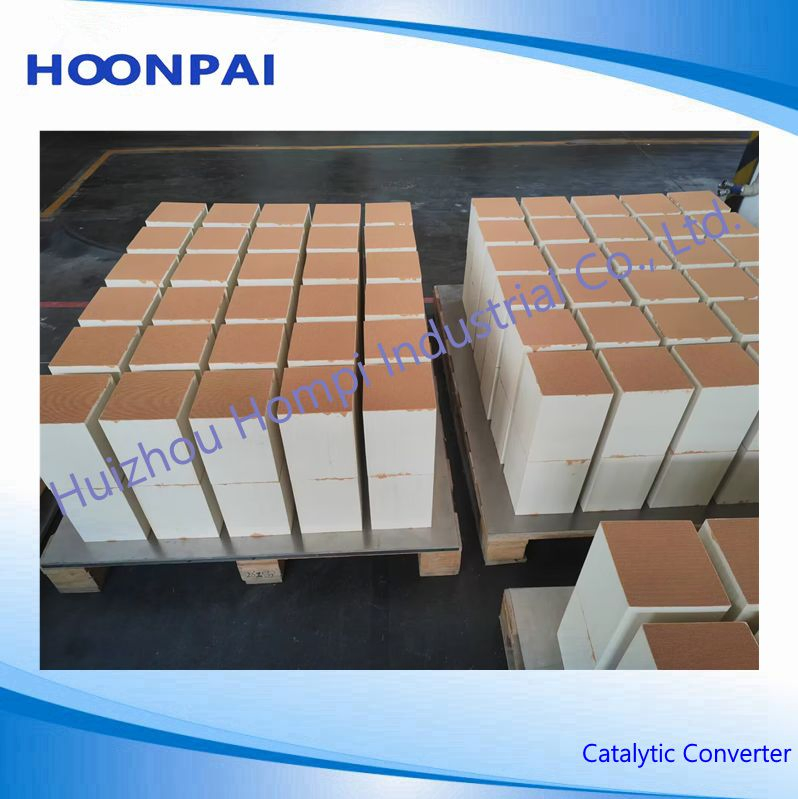
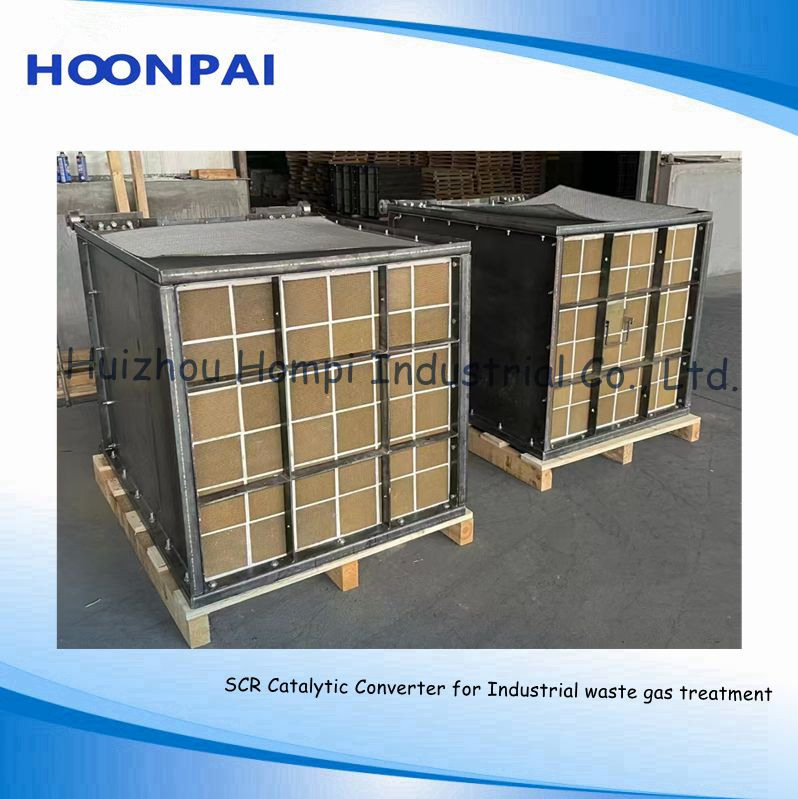
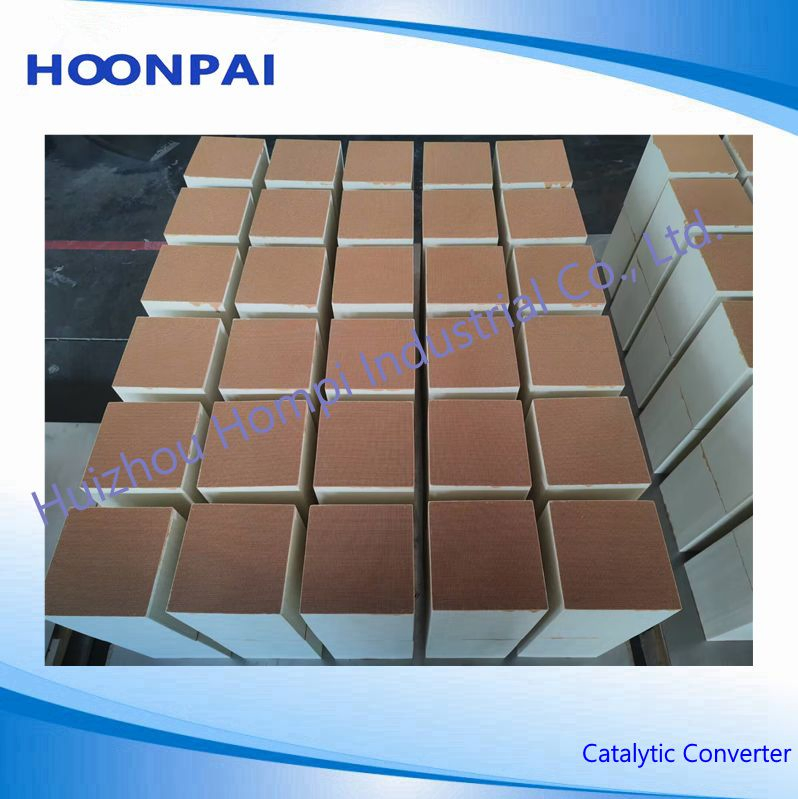
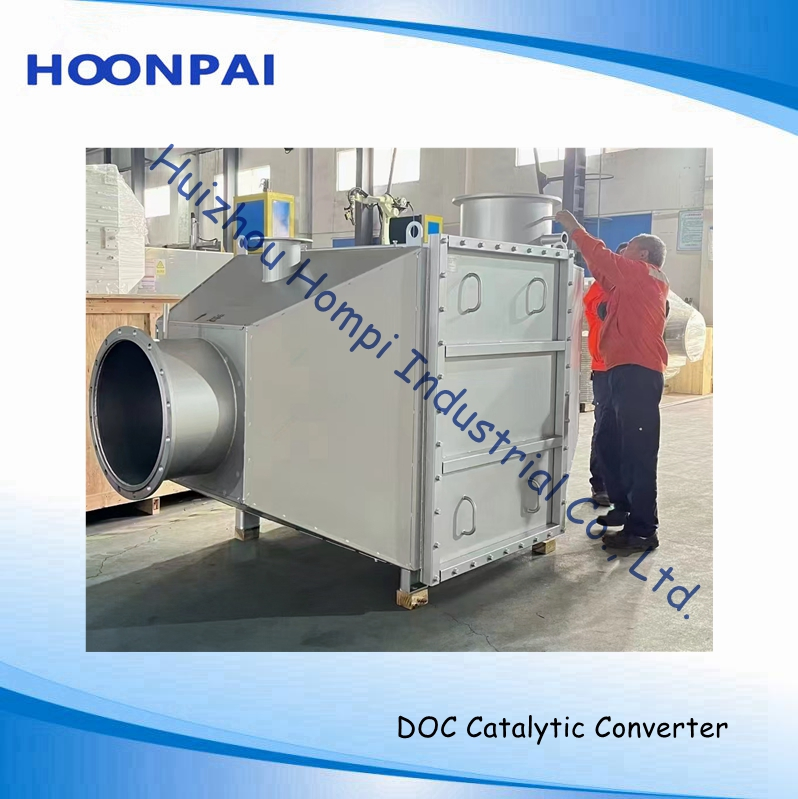
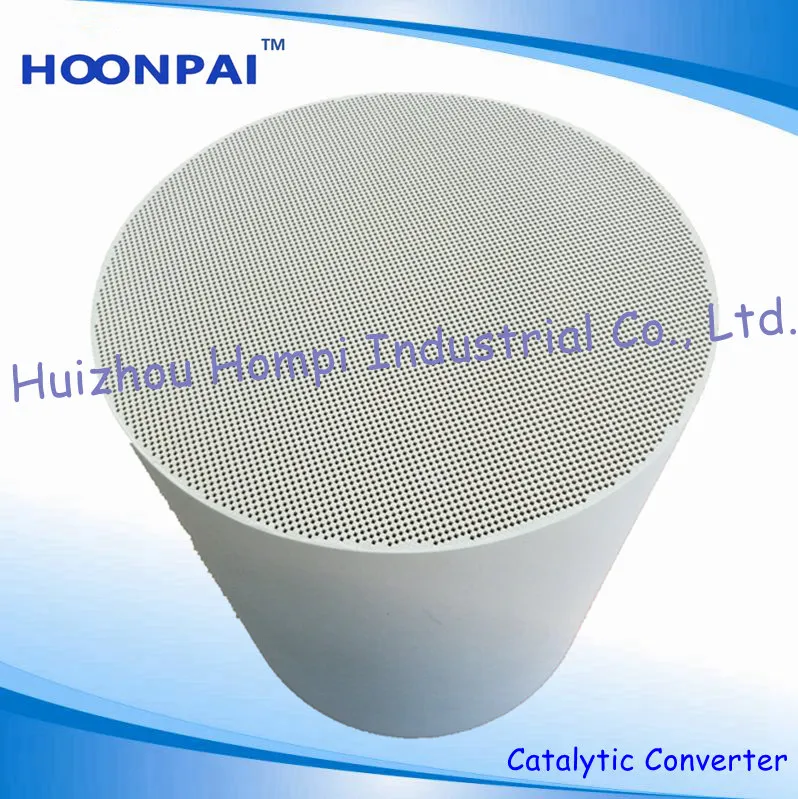
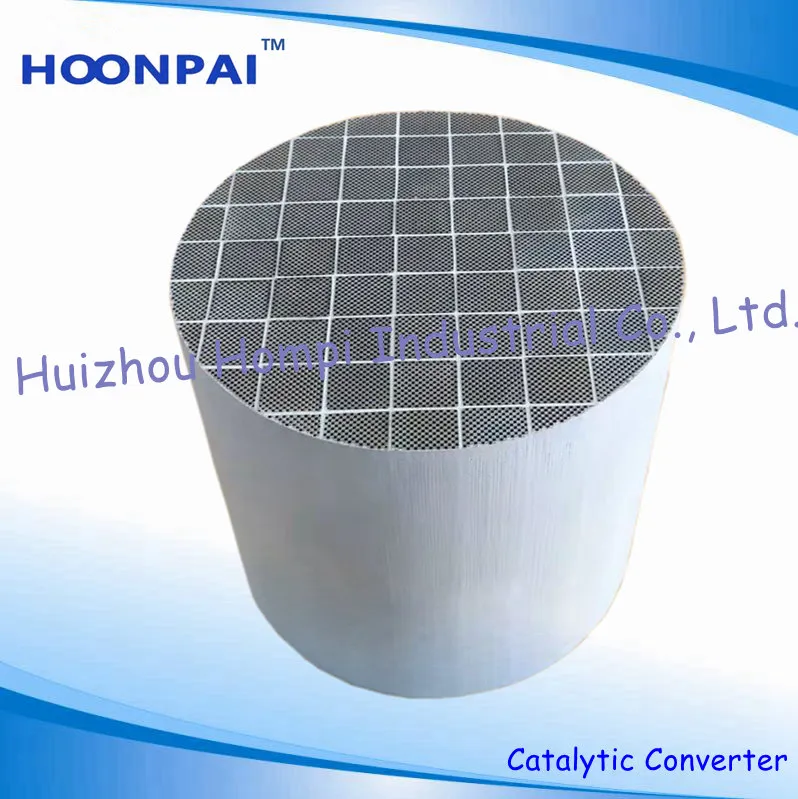
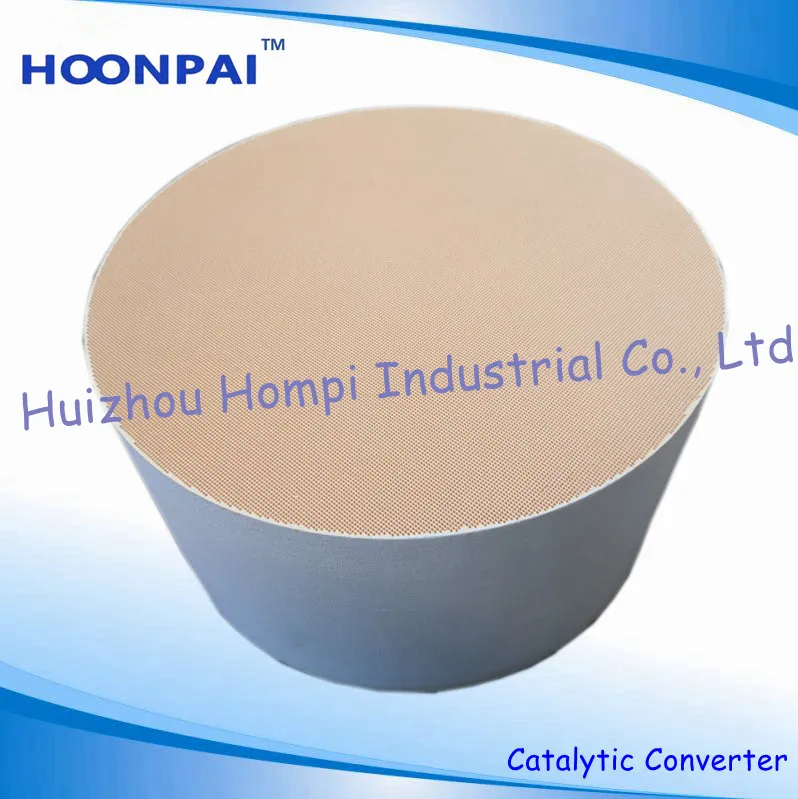
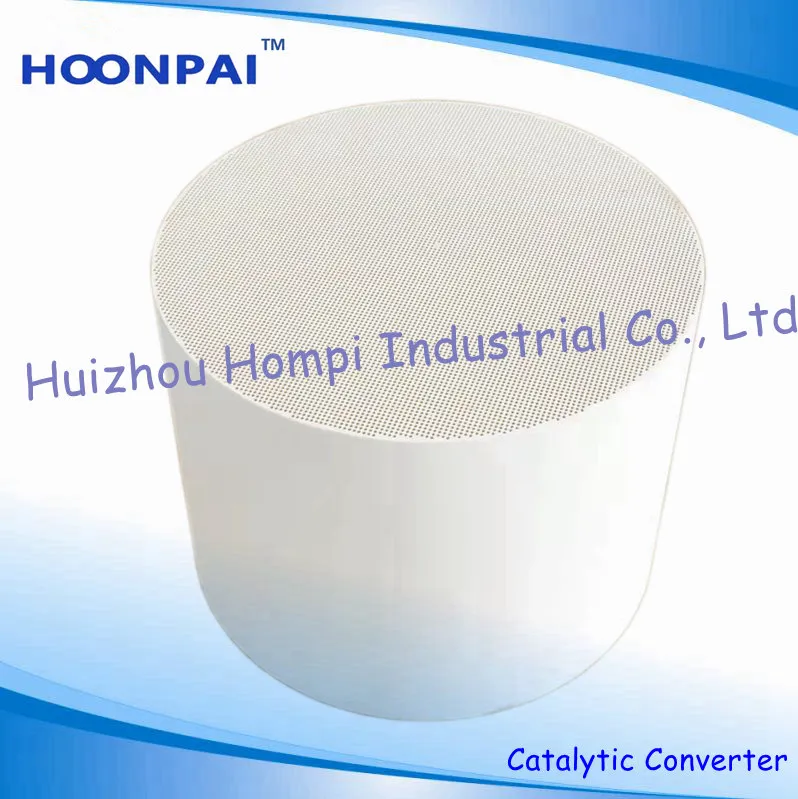
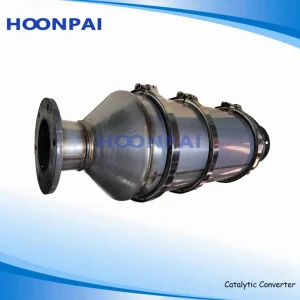
Customized Ceramic Catalyst Carrier and SCR/DPF Canning Catalytic Converter for Diesel Industrial Emission Solutions/ Power Plant/Marine/Generator

Still deciding? Get samples of $ !
Order Sample

Product Description

Technical Specifications

Model NO.: SCR Catalytic Converter
Engine Type: Gas/Diesel
Body Material: Steel
Discharge: Euro V / Euro VI
Certification: ISO9001, TS16949, CE
Component: Exhaust Pipe
Shape: Round, Oval
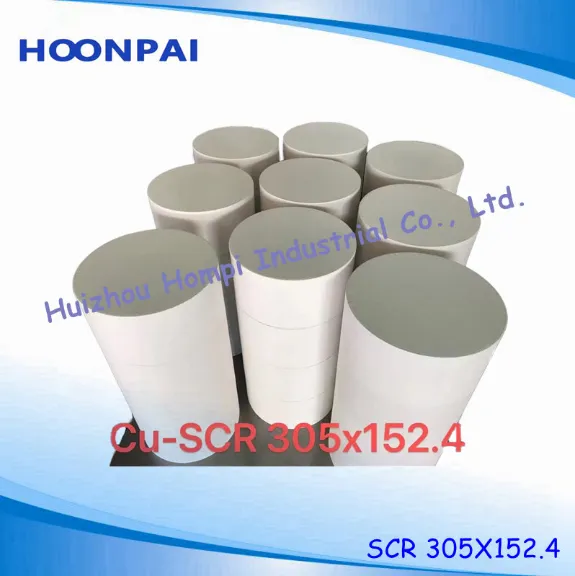
Specification: 305*101.6 mm

Introduction to DPF & DOC

DPF Intro

DPF (Diesel Particulate Filter)

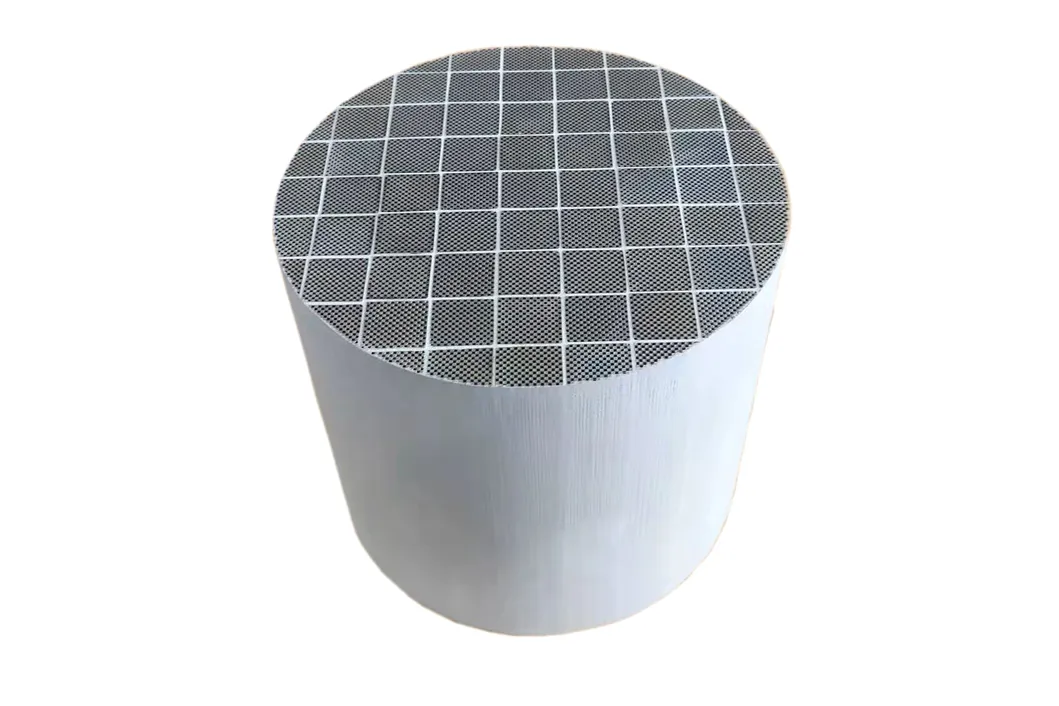
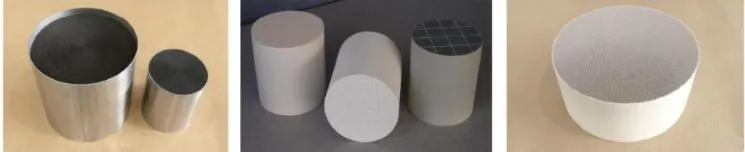
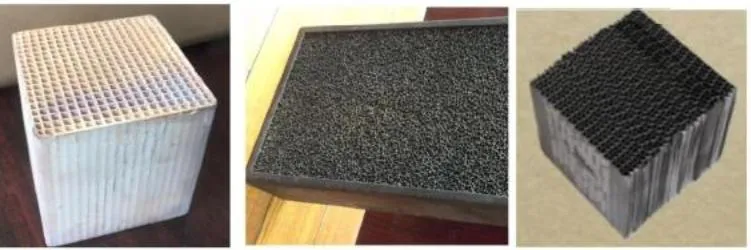
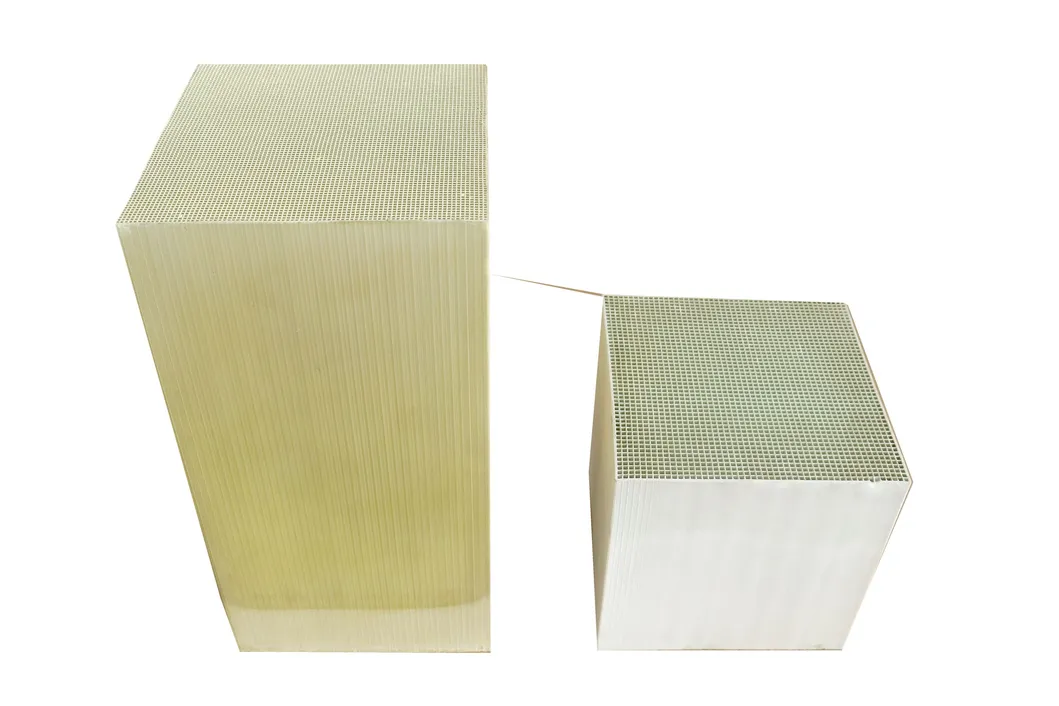
DPF is the essential option to satisfy particle number emissions. Common support materials include ceramics, aluminum titanate, and silicon carbide. Our coating technologies are based on multi-thermal stable wash coat formulations with excellent NO2 formation.

DOC (Diesel Oxidation Catalyst)

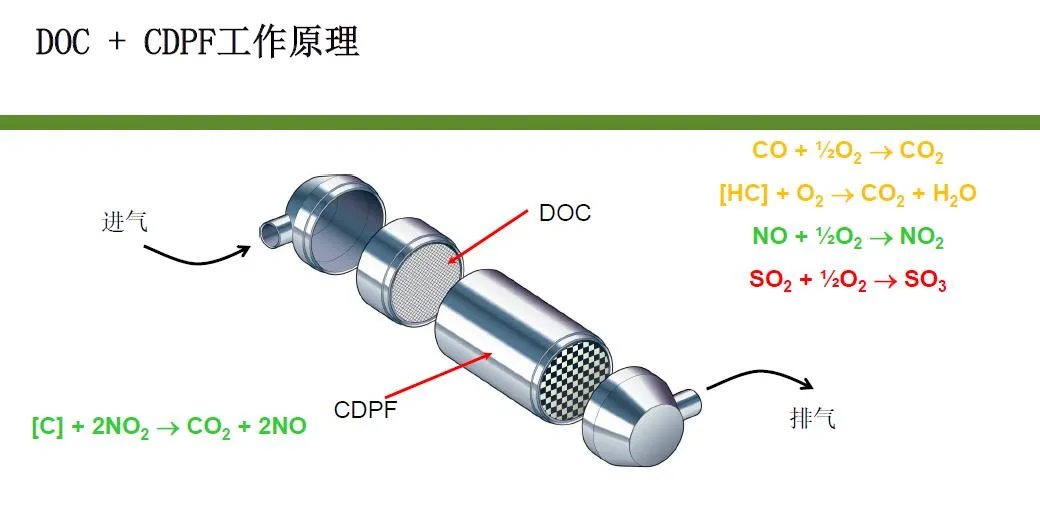
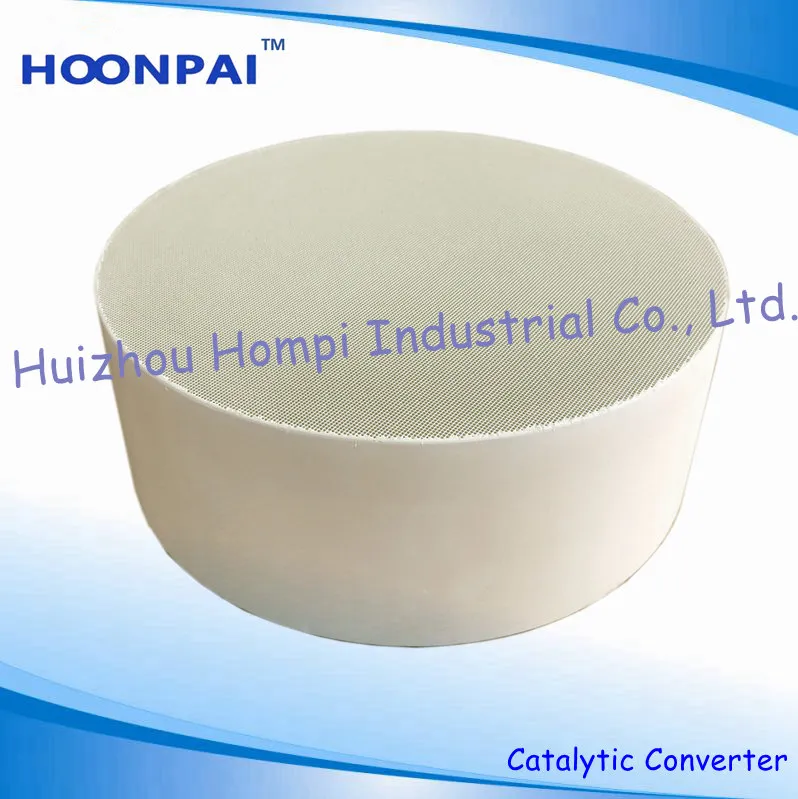
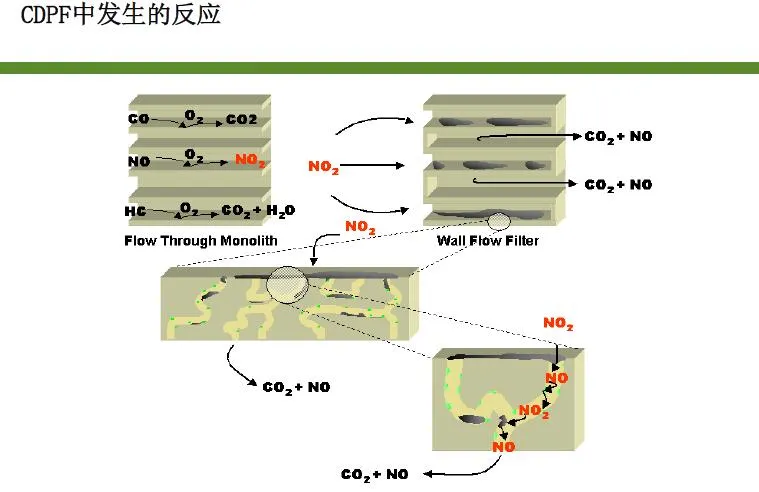
DOC oxidizes unburned hydrocarbons (HC) and carbon monoxide (CO) into harmless water and CO2. It facilitates passive regeneration of downstream CDPF and improves NOx conversion efficiency for SCR systems.
DOC Intro

Working Principle of DOC + CDPF

Principle 1 Principle 2

Captured carbon particles react with NO2 at low temperature to produce CO2 emissions.
Product Display

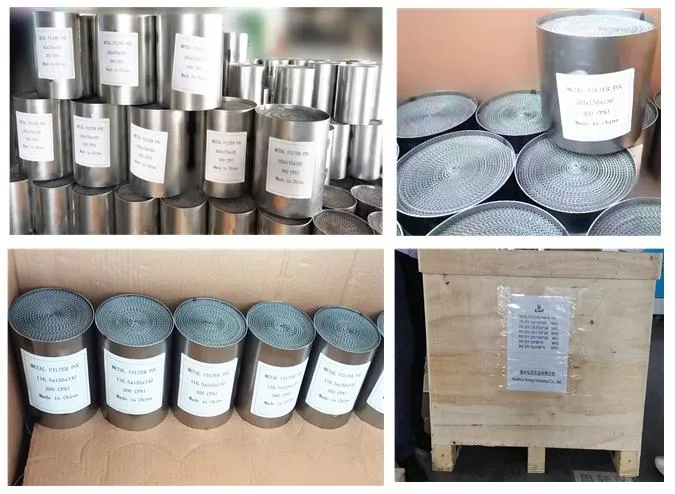
Converter 1 Converter 2 Converter 3
Converter 4 Converter 5 Converter 6

Key Advantages

Excellent thermal shock resistance
Unique cellular designs reducing vortex
Stable extrusion quality and consistency
Obvious and efficient filter effect
Improved casting surface performance
Chemical stability against melted metal

Product Dimensions (DPF & Substrate)

Type Diameter (mm) Height (mm) Applications
DPFΦ143.8203Euro 4/5 Catalyst
DPFΦ190.5152.4 / 254Road Vehicles
DPFΦ241152.4 / 203 / 254Commercial Diesel
DPFΦ305254 / 305Heavy Duty
SubstrateΦ143.8101.6 / 152.4Industrial VOCs
SubstrateΦ330152.4Power Plant

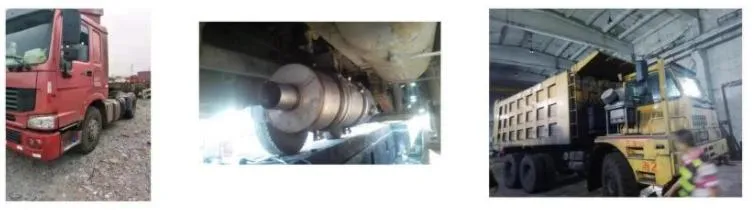
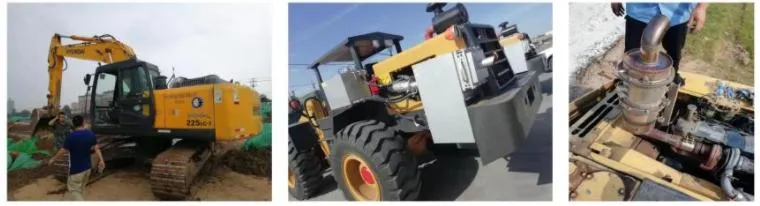
Application Scenarios

Application 1 Application 2
Application 3 Application 4

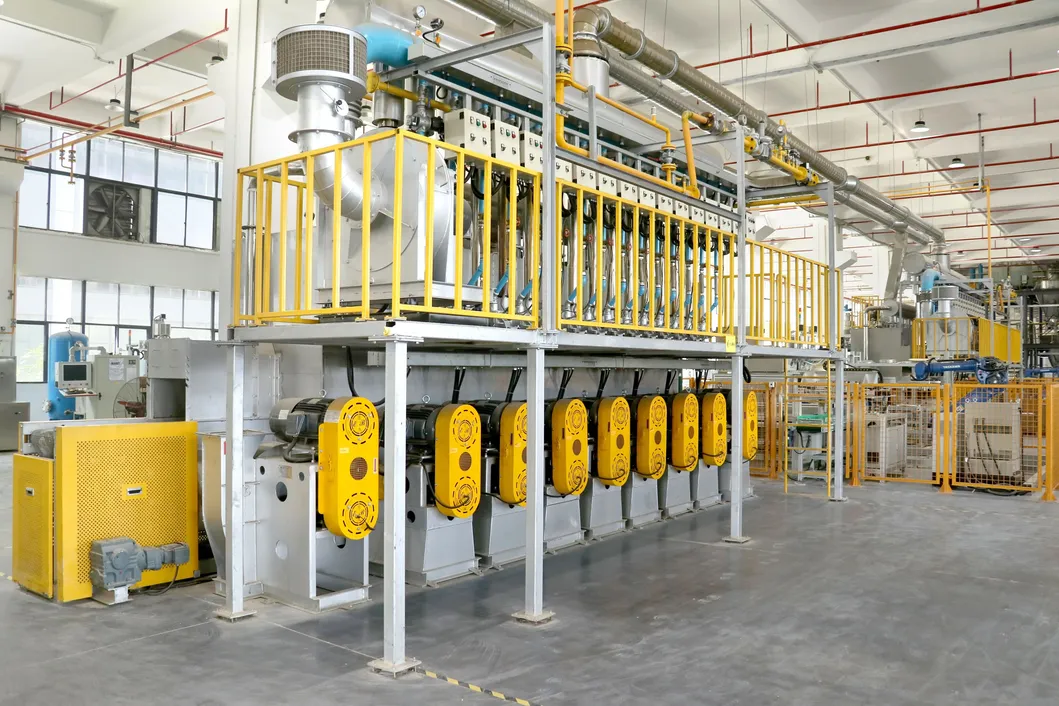
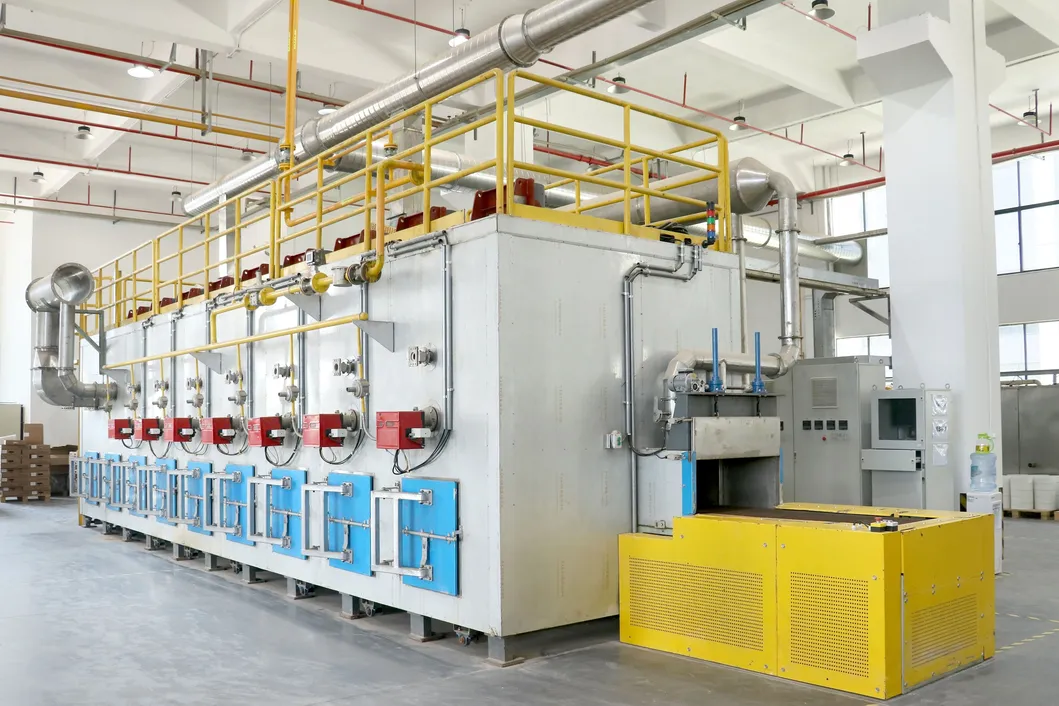
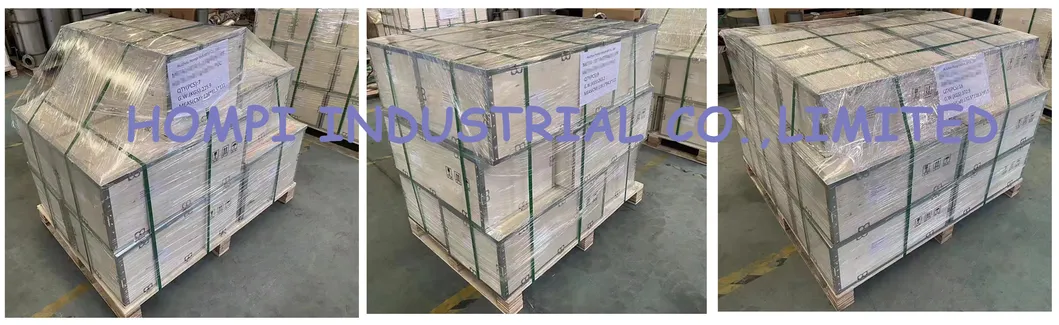
Production Line & Packaging

Prod 1 Prod 2
Packing 1 Packing 2

Frequently Asked Questions

Q1: What materials are used for DPF support? Common supports include honeycomb ceramics, aluminum titanate, and silicon carbide, chosen based on filtration efficiency and regeneration needs.
Q2: How does DOC differ from DPF? DOC focuses on oxidizing gaseous pollutants like CO and HC, while DPF is primarily designed to capture and reduce particulate matter (soot).
Q3: What are the main applications for these converters? They are widely used in road vehicles (Euro IV/V/VI), engineering machinery, marine generators, and industrial power plants.
Q4: Can you provide customized specifications? Yes, product dimensions (diameter and height) and cell density can be customized based on specific engine emission inputs.
Q5: What is the typical delivery time? Standard production and delivery cycles typically range from 7 to 10 days depending on the order volume.
Q6: What certifications do the products hold? Our products are certified by ISO9001, TS16949, CE, RoHS, and E-Mark, ensuring international quality standards.

Related Products