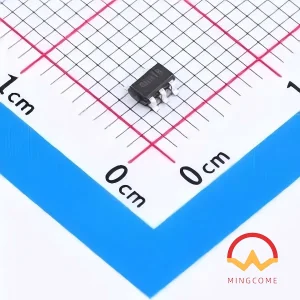
Specially configured voltage converters engineered to handle high input fluctuation, elevated ambient thermal thresholds, and extreme airborne particulate levels standard in the Upper Nile region.
Malakal, the strategic capital of the Upper Nile State in South Sudan, is undergoing a historic phase of urban reconstruction, commercial revitalization, and logistical expansion. Positioned as a major trading hub along the White Nile, the city’s economic growth is heavily dependent on establishing robust utility networks. However, the legacy of localized grid challenges has resulted in an energy paradigm dominated by decentralized microgrids, municipal hybrid solar installations, and private diesel generation stations.
In this localized configuration, raw electrical distribution suffers from intense volatility. Grid voltage drops, high harmonic distortion, and unpredictable surge conditions are frequent. For businesses, non-governmental organizations (NGOs), telecommunication tower operators, and agricultural processors operating near Malakal, the deployment of highly reliable DC to DC power converters is not merely an engineering choice—it is a critical requirement to safeguard delicate control systems, telemetry transceivers, and electric drivetrain machinery from catastrophic failure.
Additionally, the atmospheric conditions of the Upper Nile present unique operational challenges. The combination of intense tropical dry seasons with temperatures peaking at 45°C, high dust loads (fine dry clay silt typical of the Suddd region), and torrential humidity cycles during the rainy season demands conversion units with advanced thermal engineering. Conventional, non-industrial converters experience rapid electrolytic capacitor degradation, thermal runaway, and insulation breakdown under these local conditions. This whitepaper details how specialized DC-DC topologies solve these issues, enabling localized resilience across Malakal's critical sectors.
To understand the technical requirements of power conversion in the region, we analyze the four primary industries driving Malakal’s recovery:
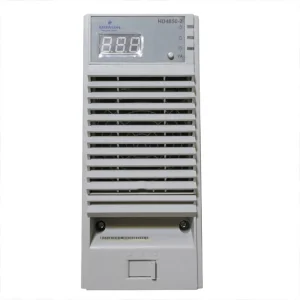
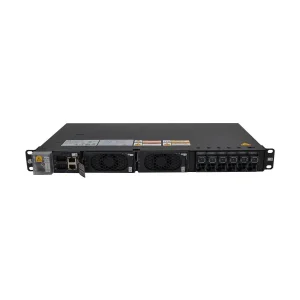
Local cellular networks (MTN, Zain, and Sudani) require steady 48VDC feed lines. Our Emerson HD4850-2 rectifier systems and isolated step-down modules isolate cellular amplifiers from fluctuations in battery banks charged by solar arrays during erratic daylight shifts.
Mini-grids designed for municipal complexes and medical facilities utilize high-voltage solar strings (300V-950VDC). High-efficiency buck-boost systems step this down to 24V or 12V battery management profiles, maximizing solar output utilization even during dusty or overcast periods.
Drawing clean water from the White Nile requires robust pump control. Integrated DC converters regulate current spikes during inductive motor startup, protecting system control boards from sudden drops in voltage.
Exporting electronics to remote regions like Malakal demands a design philosophy centered on durability. At ShenZhen JDI Power Supply Co., Ltd., our R&D team has spent two decades refining industrial conversion topologies to eliminate single points of failure.
| Design Vector | Standard Commercial Solution | JDI Power Industrial Grade (Malakal Spec) | Localized Field Benefit |
|---|---|---|---|
| Thermal Dissipation | Active fan cooling (prone to dust clogging) | High-thermal conductivity silicone potting + heavy extruded fins | Dustproof operation; zero failure risk from fan motor failure |
| Input Voltage Window | Narrow range (±10% deviation limit) | Wide input margins (e.g., 200VDC-950VDC dynamic matching) | Handles sudden microgrid voltage drops without going offline |
| Galvanic Isolation | Non-isolated common ground | Up to 3kV isolated topologies (Optocoupler + transformer) | Stops lightning or utility surges from damaging downstream assets |
| Capacitor Selection | Standard 85°C rated chemical capacitors | Solid-state tantalum / 105°C long-life high-temp capacitors | Prevents electrolyte drying under prolonged 45°C ambient heat |
By focusing on these parameters, our hardware meets key domestic and international safety and environmental certifications, including IEC/EN 60601 for medical equipment, IEC/EN 62368 for data systems, and UL1310 / GB4706. This compliance ensures that imports into South Sudan meet strict quality requirements for government tenders and international aid programs.
Established in 2004, ShenZhen JDI Power Supply Co., Ltd. is a national high-tech enterprise operating a modern 6,000 square meter production facility. Under the leadership of an engineer with 27 years of power conversion expertise, our 20+ member R&D team manages a catalog of over 1,000 product configurations.
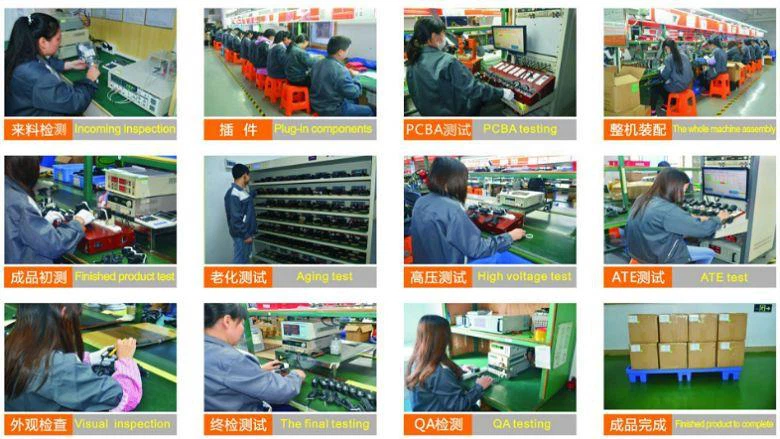
Our facility is certified under ISO9001:2008 and ISO14001 quality management systems. This structured manufacturing environment ensures consistency across every production run. Key verification protocols include:
Year Established
Factory Area
Product Types
Lead Engineer Expertise
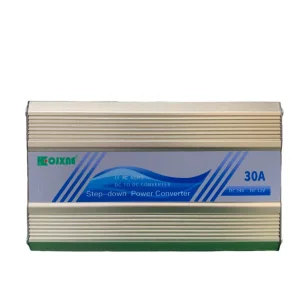
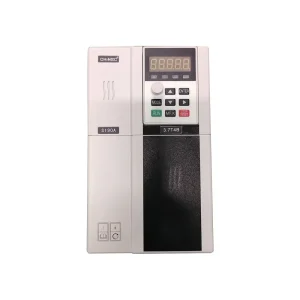
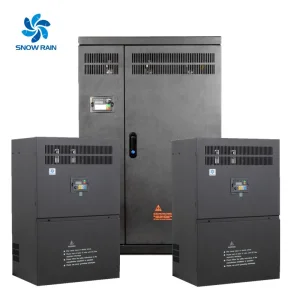
Heavy-duty AC and DC frequency controllers designed to interface with regional transport systems and high-current industrial plants in the Upper Nile zone.
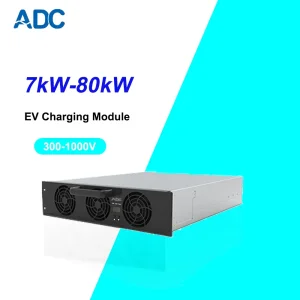
The global energy transition requires higher power densities in smaller footprints. JDI Power is transitioning its high-capacity converters from traditional Silicon (Si) MOSFETs to Silicon Carbide (SiC) and Gallium Nitride (GaN) wide-bandgap switch topologies.
This technology shift provides two major benefits for remote regions:
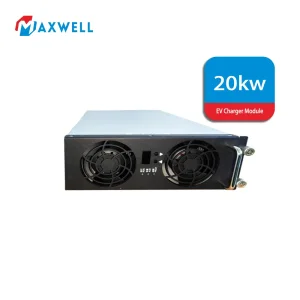
SiC devices reduce switching losses by up to 60%. In a 20kW bidirectional module, this elevates system conversion efficiency to 97.8%. Lower waste heat generation reduces thermal stress, allowing systems to operate reliably at high ambient temperatures without derating.
Higher switching frequencies (up to 1.5 MHz) allow the use of smaller inductors and capacitors. This reduces the total size of the modules, simplifying transit logistics to landlocked destinations like South Sudan. High-frequency filters also minimize ripple current, extending the lifespan of connected batteries.
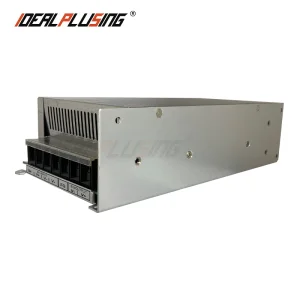
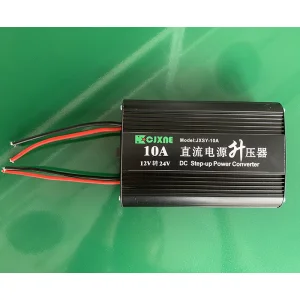
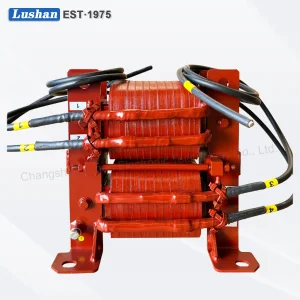
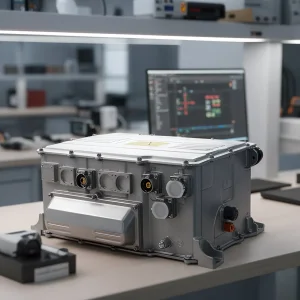
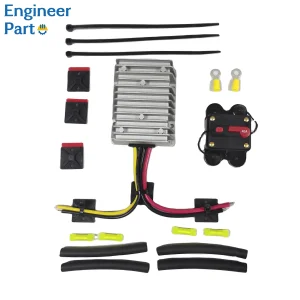
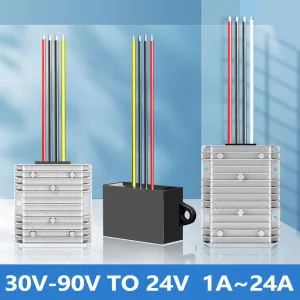
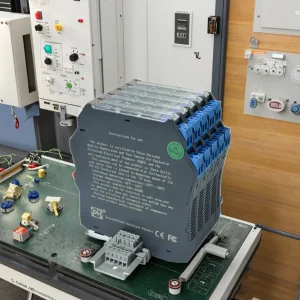
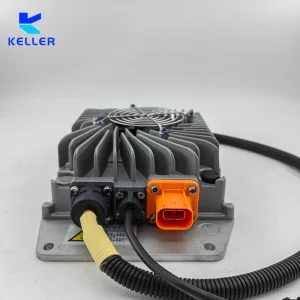
Standardized power rectifiers, step-up/step-down converters, and filter systems ready for logistics dispatch. All units are backed by international certificates (CE, UL, FCC, PSE, RoHS).
Standard production lead times range from 15 to 30 days depending on custom specifications. Shipping is managed through maritime routes from Shenzhen Port to either Mombasa (Kenya) or Port Sudan. From these entry points, cargo is transported overland to Juba or Malakal. For urgent infrastructure requirements, air freight to Juba International Airport (JUB) with local charter transport to Malakal is available.
We design converters intended for Malakal with hermetic silicone potting or IP67-rated enclosures. This physically blocks fine clay particles and moisture from contacting active electrical pathways, preventing short circuits and tracking failures.
Through our R&D team, we can customize input ranges (e.g., matching varying solar array strings up to 1000VDC) and calibrate precise output curves. This includes adapting charging profiles for specific battery chemistries, such as Lithium Iron Phosphate (LiFePO4) or gelled lead-acid batteries.
Our quality management systems are ISO9001 and ISO14001 certified. Each batch of converters undergoes automated optical inspection (AOI), high-voltage isolation screening, and burn-in testing under thermal load to verify performance before dispatch.
 JDI Power Supply