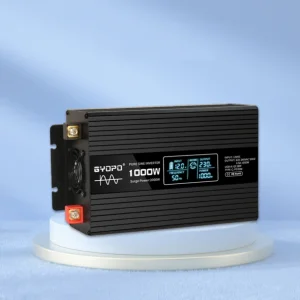
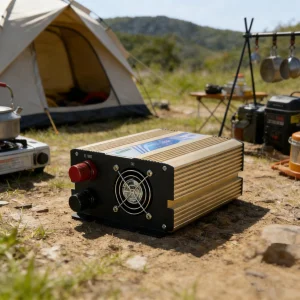
Engineered for high altitude, thermal tolerance, and erratic grid transitions within the Kathmandu Valley.
Kathmandu, as the economic and administrative center of Nepal, presents a unique microgrid dynamics environment. Over the past decade, while the Nepal Electricity Authority (NEA) has achieved significant milestones in curbing schedule-based load shedding, commercial enterprises, industrial facilities, and municipal networks across Kathmandu, Lalitpur, and Bhaktapur continue to face localized power quality issues. Frequent voltage sags, phase imbalances, transient surges, and unexpected micro-outages remain persistent threats to continuous operations.
To mitigate financial losses and keep critical hardware operational, businesses in Kathmandu are rapidly moving away from dirty, noisy diesel generators toward advanced, high-reliability DC to AC Power Inverters and Converters integrated with lithium and solar PV infrastructure.
Operating high-power electronic conversion systems in the Kathmandu Valley (~1,400 meters above sea level) requires specific thermal and environmental engineering adjustments:
The global power inverter market is experiencing a profound transition driven by Wide Bandgap (WBG) semiconductors, such as Silicon Carbide (SiC) and Gallium Nitride (GaN) MOSFETs. These innovations allow switching frequencies exceeding 20 kHz to 100 kHz, drastically reducing passive component size while elevating power efficiency beyond 96%.
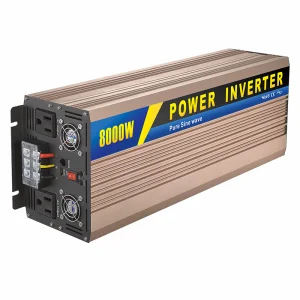
Industrial equipment, sensitive medical monitors, and IT server racks in Kathmandu require pure sine wave output. Modified sine wave units produce high peak voltages and harmonic noise that degrade motor windings and trip sensitive digital power supplies. Our units ensure total harmonic distortion (THD) strictly below 3%.
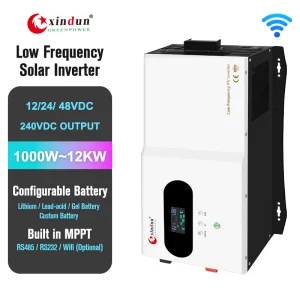
By uniting Maximum Power Point Tracking (MPPT) solar charge controllers directly into off-grid and hybrid DC to AC power converters, solar harvesting efficiency reaches up to 99%. This optimizes yield from solar panels mounted on steep topography or urban Kathmandu rooftops.
Heavy machinery, water pumps, and refrigeration compressors exhibit startup surge loads 3x to 5x their rated nominal capacity. Our inverters Feature robust peak power dynamic reserves designed to sustain high surge demands without voltage sagging or protective tripping.
Our tailored power conversion portfolio addresses the diverse operational profiles across Nepal's capital region. From commercial centers to industrial belts, our products ensure seamless electricity supply:
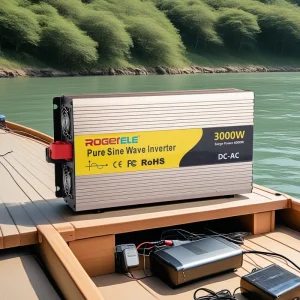
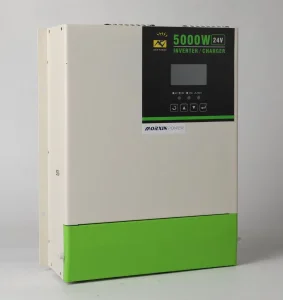
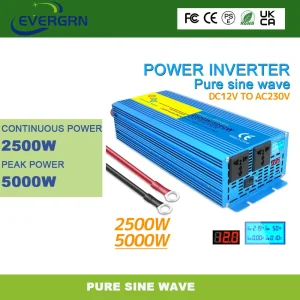
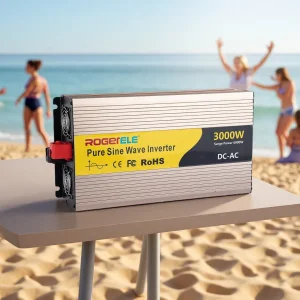
Boutique hotels, heritage resorts, and financial offices require dead-silent power switching during grid failure. Our 3000W to 5000W Pure Sine Wave off-grid power inverters deliver continuous, clean 220V/230V AC power, eliminating diesel noise and exhaust fumes in dense commercial districts.
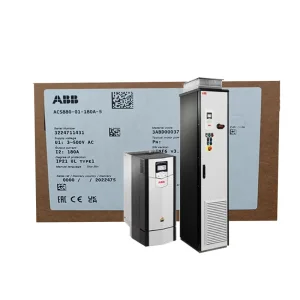
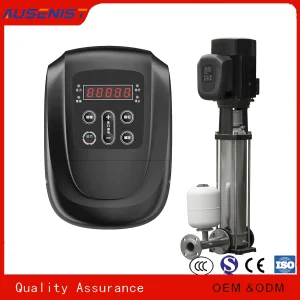
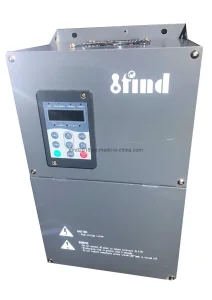
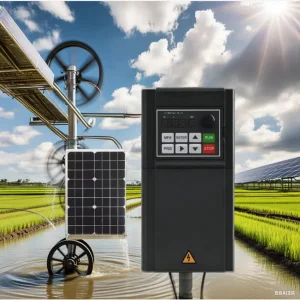
Manufacturing facilities operating CNC machines, industrial conveyors, textile machinery, and high-capacity pumps require reliable motor frequency speed control. Our 3-phase VFD frequency converters (such as the ACS880 series and 11kW/7.5kW VFD drives) deliver smooth torque management and soft startup profiles, reducing mechanical wear and peak demand tariffs.
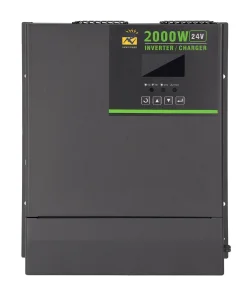
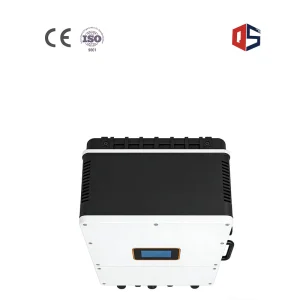
Telecom base transceiver stations (BTS) across the Kathmandu Valley and surrounding ridge lines (Nagarkot, Chandragiri) depend on resilient 24V/48V DC battery banks. Our DC-to-AC high-frequency inverters convert battery power into ultra-stable AC energy, safeguarding critical wireless links around the clock.
Hospitals, research centers, and diagnostic labs require zero-tolerance for power distortion. Our medical-standard compliant power solutions meet stringent EN/IEC 60601 safety protocols, delivering pure power to life-saving diagnostic machinery and cold-chain vaccine storage.
Founded in 2004 in Shenzhen—the technology capital of Asia—ShenZhen JDI Power Supply Co., Ltd. is a national high-tech enterprise occupying a state-of-the-art 6,000 square meter independent production base. We are listed on the New Third Board, reflecting our corporate transparency and engineering reliability.
Our R&D division consists of over 20 senior electrical engineering experts, spearheaded by a Chief Engineer boasting 27 years of specialized power conversion research. We maintain a catalog of more than 1,000 custom and standard power conversion products tailored for demanding international environments.
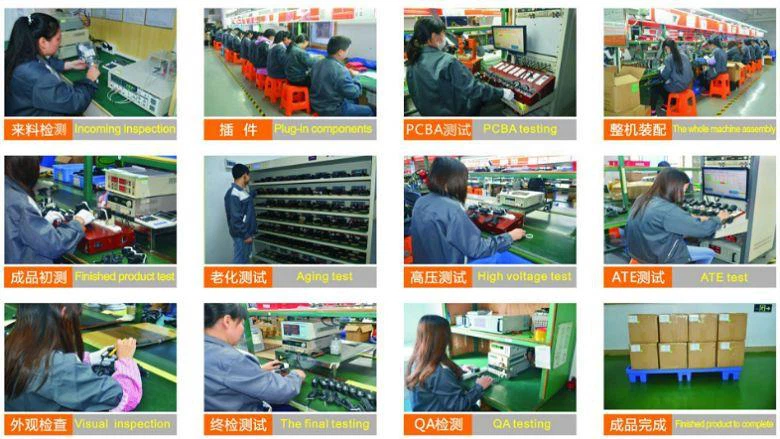
Every unit undergoes component stress analysis, high/low temperature cycle testing, vibration testing, humidity alternating exposure, EMC verification, MTBF analysis, static safety testing, and accelerated thermal aging to guarantee long term reliability in Nepal's harsh operating conditions.
As Nepal moves toward smart energy grids, distributed rooftop solar generation, and electrification of public transport, power converters must evolve. Our technical roadmap focuses on three crucial dimensions:
Integrating RS485, CAN bus, Wi-Fi, and 4G communication protocols directly into inverter mainboards. Plant operators in Kathmandu can monitor operating temperature, load ratios, battery health, and real-time generation metrics via mobile or web apps.
Transitioning from standard unidirectional conversion to bidirectional inverter-charger systems. These units draw power during off-peak hours or maximum solar availability and feed energy back during peak tariff periods or grid failures.
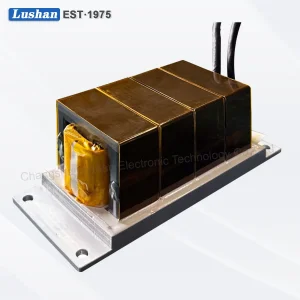
Migrating heavy low-frequency transformers to high-frequency ferrite core topologies. This slashes physical weight by up to 60%, drastically cutting international air/sea freight costs to Nepal while increasing operational efficiency up to 97%.
Tested and certified power conversion solutions for household, vehicle, solar, and industrial heavy-motor drive applications.
Direct engineering insights for procurement managers, solar installers, and factory supervisors in Kathmandu.
Most home appliances, office computers, medical devices, and industrial motors operate on smooth AC utility power. Modified sine wave inverters produce blocky, square electrical steps that generate high harmonic noise, excessive heat in motor windings, audio buzz, and can permanently damage sensitive control microprocessors. A Pure Sine Wave inverter ensures a total harmonic distortion (THD) of <3%, providing smooth, reliable electricity identical to or superior to the standard utility grid.
Kathmandu sits at an altitude of approximately 1,400 meters (4,600 feet) above sea level. Thinner air density at higher elevations reduces convective cooling efficiency for electronic heat sinks. For heavy-duty industrial installations operating at full capacity, we recommend selecting units with forced variable-speed air cooling or sizing the inverter continuous wattage rating 10% to 15% above the intended total maximum load.
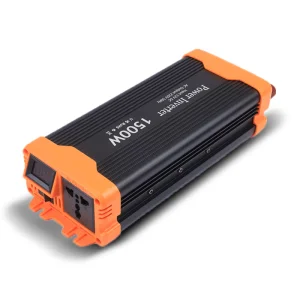
For small residential loads (under 1500W), a 12V DC system is sufficient. However, for commercial installations, high-capacity solar backups, or industrial plants requiring 3000W to 8000W+, higher DC voltages (48V or 96V) are far superior. Higher system voltage drastically reduces input DC current (Amperes), which minimizes copper cable cross-section requirements, lowers heat loss in wiring, and enhances overall systemic efficiency.
Yes. Products such as our DC to Three-Phase VFD solar power inverters and ACS880 series drives are engineered to convert single-phase AC or direct DC solar string inputs into clean, phase-balanced 380V Three-Phase AC power. This allows remote agricultural pumps or small workshops in Nepal without local 3-phase grid infrastructure to run standard commercial three-phase induction motors effortlessly.
ShenZhen JDI Power Supply Co., Ltd. provides full documentation for swift import cleared through Tribhuvan International Airport or Birgunj land ports. Certificates include ISO9001 quality audits, CE/GS test reports, UL compliance declarations, Certificate of Origin (COO), RoHS material safety sheets, and comprehensive packing lists.
Partner directly with a certified manufacturer. Contact our power systems engineering team today for technical consultations, customized OEM/ODM specifications, and wholesale pricing.
Send Inquiry Now JDI Power Supply