In today's technology-driven world, efficient power supply solutions are crucial. Step-Down DC-DC Converters play a significant role in optimizing power usage. These converters effectively reduce voltage levels while maintaining high efficiency. Their applications span various industries, from consumer electronics to renewable energy systems.
Many engineers rely on these devices for their compact design and reliability. However, choosing the right Step-Down DC-DC Converter can be challenging. There are numerous options available, each with its unique specifications and performance metrics. Understanding these differences is essential for achieving desired outcomes.
With ongoing advancements, the market for Step-Down DC-DC Converters is evolving. What works today may not be the best choice tomorrow. This constant change highlights the need for professionals to stay informed. Exploring the top converters can provide valuable insights into effective power solutions. Balancing performance and efficiency is key. The journey to finding the ideal converter may require trial and error, yet the results can significantly impact overall system performance.
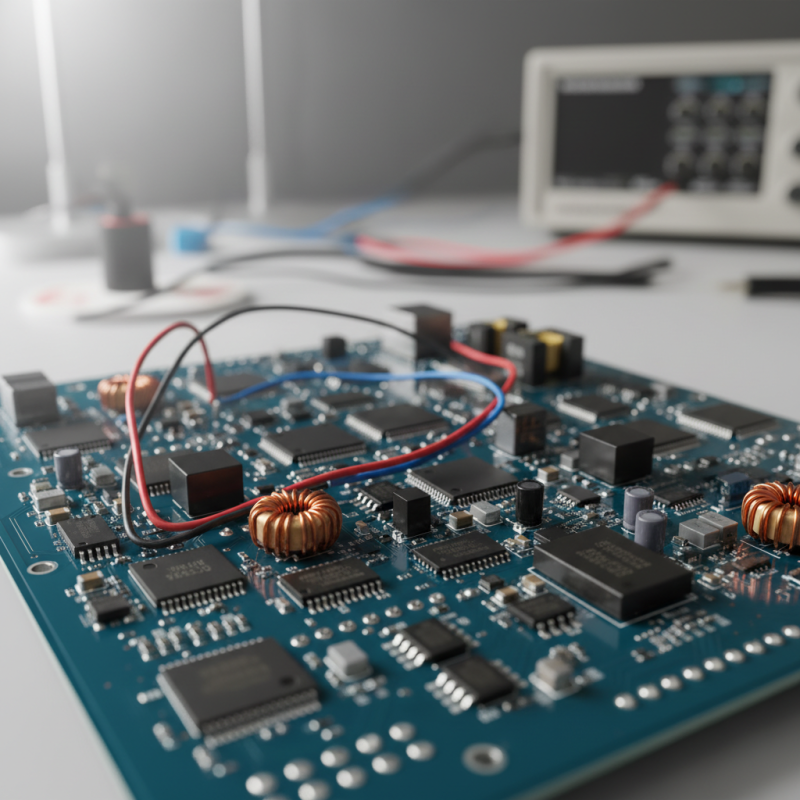
Step-down DC-DC converters, also known as buck converters, play a vital role in modern electronic devices. These converters efficiently reduce voltage levels while maintaining power integrity. According to a report by MarketsandMarkets, the global DC-DC converter market is projected to grow at a CAGR of 5.5% from 2021 to 2026. This growth highlights their importance in enabling energy-efficient systems.
Many industries, from consumer electronics to renewable energy, rely on step-down converters. These devices can help reduce energy consumption and heat generation, addressing environmental concerns. At the same time, the efficiency of these converters can vary significantly. A research study indicates that poorly designed converters can drop efficiency levels below 80%. This inefficiency can negate potential savings, urging designers to focus on optimized circuit layouts.
Choosing the right step-down converter involves many considerations. Factors like load requirements and thermal management must be evaluated. Sometimes, engineers overlook these aspects, leading to underperformance. Addressing these challenges is crucial for maximizing the benefits of step-down DC-DC converters in applications ranging from electric vehicles to data centers.
: Step-down DC-DC converters efficiently reduce voltage levels in electronic devices, maintaining power integrity.
They enable energy-efficient systems, helping industries reduce energy consumption and address environmental concerns.
Consider load requirements, thermal management, efficiency, and voltage range to ensure optimal performance.
Higher efficiency minimizes energy loss. Poor efficiency can hinder performance and negate potential savings.
Using synchronous rectification, selecting low-resistance inductors, and good thermal management can enhance efficiency.
High temperatures can degrade performance. Proper heat dissipation is necessary for maintaining efficiency.
In compact designs, choosing a converter that fits physical constraints without compromising performance is vital.
Lower switching frequencies can reduce losses but may affect size and response time. Balance is essential.
A strong reputation can assure quality and minimize risks in power supply designs.
Monitoring systems under real-world conditions helps identify inefficiencies and leads to better design adjustments.
Step-Down DC-DC Converters play a crucial role in modern power supply systems by efficiently converting higher DC voltage levels to lower ones, ensuring that electronic devices receive the appropriate power requirements. The importance of these converters is highlighted by their ability to enhance energy efficiency and reduce power loss in various applications. When selecting a Step-Down DC-DC Converter, it is essential to consider key features such as input and output voltage ranges, efficiency ratings, thermal performance, and size constraints.
Currently, a variety of top-rated Step-Down DC-DC Converters are available on the market, each suited for different applications including consumer electronics, industrial equipment, and renewable energy systems. To maximize the efficiency of these converters, designers can implement several optimization techniques, such as minimizing parasitic elements and ensuring adequate thermal management. In conclusion, understanding the features and applications of Step-Down DC-DC Converters is vital for achieving efficient power supply solutions.

 JDI Power Supply