Optimizing heat dissipation of power conversion devices is increasingly crucial in today's technology-driven world. Heat generation is a natural byproduct of electrical energy conversion. If not managed properly, excess heat can lead to device failure, inefficiencies, and reduced lifespan. Engineers face the challenge of balancing performance and heat management in these devices.
Effective thermal management strategies are necessary to ensure reliability. Improved designs and materials can significantly enhance the ability to dissipate heat. For instance, advanced cooling techniques like heat sinks and thermal interface materials play a pivotal role. These methods not only help maintain performance but also boost overall efficiency.
However, the field continuously faces hurdles. Finding the right balance between cost and effectiveness remains a challenge. Many solutions exist, but they often require careful consideration of trade-offs. Inadequate solutions could lead to overheating or even catastrophic failures. Hence, engineers must diligently explore ways to optimize heat dissipation of power conversion devices while considering the unique requirements of each application.
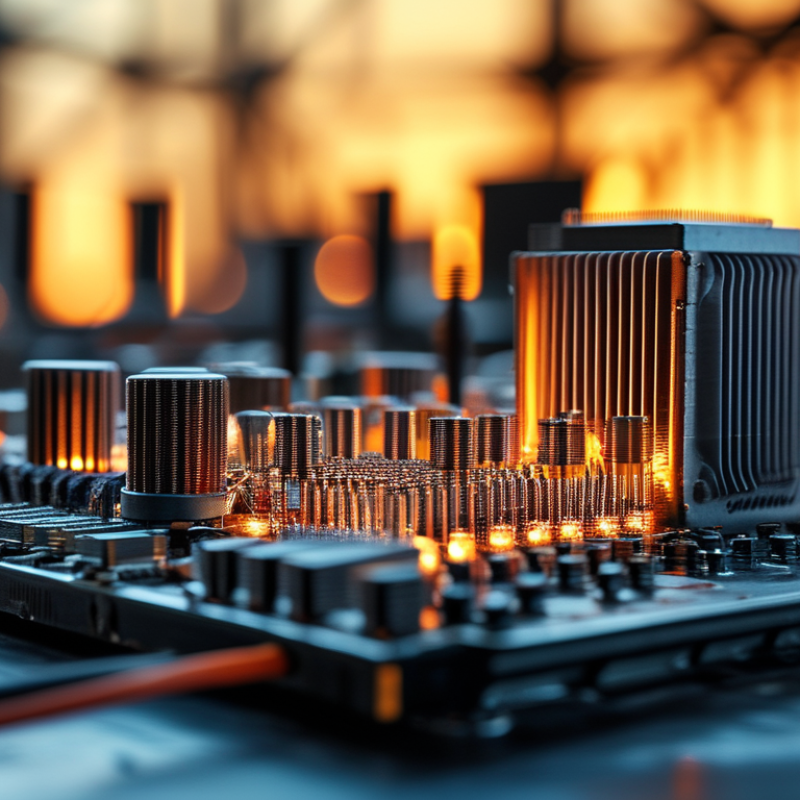
Heat dissipation plays a vital role in power conversion devices. These devices often encounter high temperatures due to energy transference. If heat is not effectively managed, it can lead to performance degradation. Overheating risks permanent damage to internal components. This can shorten the lifespan of the device.
Many power conversion devices utilize semiconductors. These materials are sensitive to temperature. High temperatures can impair their functionality. Engineers must design systems that facilitate adequate heat removal. Incorporating heat sinks, fans, or liquid cooling solutions can help in this process. However, not all designs are perfect. Some solutions may add complexity or increase costs.
Relying solely on one cooling method might prove ineffective. In some cases, a combination of strategies is needed. Managing heat efficiently is an ongoing challenge in the industry. Continuous research aims to find innovative heat dissipation techniques. Ensuring optimal performance means observing and improving existing methods. Heat management remains a critical consideration for any power conversion device.
Optimizing heat dissipation in power electronics is a fundamental challenge. Efficient thermal management is essential for device reliability and performance. Heat generation in power conversion devices is significant, often exceeding 50% of the input power. High temperatures can lead to failures and reduced lifespans. For instance, a 10°C increase in temperature can halve a device’s lifespan.
The complexity of managing heat in power electronics arises from various factors. For example, silicon carbide (SiC) devices are gaining popularity for their efficiency. Yet, they still experience thermal challenges. Effective heat sinks and thermal interface materials are critical in these applications. A study by the International Energy Agency highlights that optimizing thermal performance could boost efficiency by 5-15%. This potential improvement impacts energy costs significantly.
Addressing these challenges is not straightforward. Traditional cooling methods may not suffice for advanced applications. Innovative cooling techniques, such as liquid cooling and heat pipe systems, are being investigated. Current designs often overlook thermal management integration. This oversight can result in suboptimal performance. Continuous reflection and adaptation in design processes are crucial for meeting evolving demands in power electronics.
Effective heat dissipation is vital for power conversion devices. Temperature directly impacts their efficiency and reliability. High temperatures can lead to increased resistance in components. This resistance not only reduces efficiency but can also cause failures. When devices overheat, they may stop functioning entirely. In some cases, it can even lead to irreversible damage.
Inadequate cooling solutions can hinder performance. For instance, a converter running at elevated temperatures might produce less output power. This scenario is common. Users might not realize how slight temperature increases affect their devices. Reliable operation hinges on managing heat. Engineers must consider thermal management when designing systems. Employing advanced cooling techniques, like heat sinks or active cooling, becomes essential.
It’s intriguing how minor temperature fluctuations can drastically alter device functionality. Understanding this relationship requires deep expertise. Regular monitoring and testing can ensure devices remain within their optimal temperature range. Users must reflect on their setups. Are they doing enough to optimize heat dissipation? Keeping components cool is not just a good practice; it is imperative for long-term reliability and efficiency.
Effective heat dissipation plays a vital role in the performance of power conversion devices. When these devices manage energy conversion, they generate excess heat. If not addressed, this heat can lead to inefficiencies and failures. Innovations in heat dissipation technologies can reduce these risks, ensuring devices operate optimally.
Recent advancements, such as thermal interface materials, have shown promise. These materials enhance the transfer of heat away from critical components. Improved designs, including heat sinks and phase change materials, also increase efficiency. Liquid cooling systems represent another innovative approach, providing superior thermal management. These methods can significantly extend the lifespan of devices and improve overall reliability.
However, not all solutions are perfect. Some cooling technologies may add complexity and increase costs. Additionally, the integration of these systems can present design challenges. Balancing efficiency and cost-effectiveness remains a pressing issue. A deeper understanding of heat transfer mechanisms is necessary to refine these technologies further. Addressing these challenges will lead to even more effective solutions in the future.
Optimizing heat dissipation is essential for electronic devices. Industry standards guide engineers in this critical process. These guidelines ensure devices operate safely and efficiently. Poor thermal management can lead to device failure. Excess heat may damage sensitive components. Adhering to standards helps avoid such risks.
One standard focuses on thermal conductivity of materials. Using materials with high thermal conductivity enhances heat dissipation. For instance, copper is often favored for its excellent heat transfer properties. Another critical guideline involves proper airflow design. Effective ventilation can significantly reduce temperature buildup. Engineers must consider both design and material choice.
Reflection on current practices is necessary. Many designs still overlook the importance of heat management. Devices often run at higher temperatures than recommended. This can shorten lifespan and affect performance. Regular evaluation of thermal strategies is crucial. Awareness must grow across the industry for better reliability.
: Thermal management ensures device reliability and performance. It helps prevent failures and extends lifespans.
They can generate excess heat, sometimes exceeding 50% of the input power.
A 10°C rise can potentially halve a device’s lifespan, leading to quicker failures.
Thermal interface materials and heat sinks are critical for efficient heat dissipation.
Optimizing thermal management can enhance efficiency by 5-15%, impacting energy costs.
No, traditional methods often fall short for advanced applications. Alternative cooling techniques are needed.
Liquid cooling systems and heat pipe technologies are being explored to improve thermal management.
New solutions may increase costs and complicate integration into existing designs.
Ongoing reflection helps address evolving demands in power electronics effectively.
Balancing efficiency with cost-effectiveness remains a critical challenge in developing new solutions.
Optimizing heat dissipation of power conversion devices is crucial for enhancing their efficiency and reliability. Effective thermal management plays a significant role in addressing the operational challenges faced by power electronics, as excessive heat can negatively affect performance and longevity. By understanding the intricate relationship between temperature and device efficiency, engineers can develop strategies to mitigate thermal issues, thus prolonging the lifespan and reliability of these systems.
Recent innovations in heat dissipation technologies, including advanced materials and cooling methods, have paved the way for improved performance in power conversion devices. Adhering to industry standards and guidelines for thermal optimization is essential, ensuring that these devices can operate safely and efficiently under varying conditions. Ultimately, a focus on optimizing heat dissipation not only enhances device functionality but also contributes to the sustainable advancement of power electronics in various applications.

JDI Power Supply