In today's fast-paced world, consumers demand quicker charging solutions for their devices. The need to optimize charging speed of USB power supply solutions has never been more critical. Many users experience frustration with slow charging, especially when time is of the essence. For manufacturers and engineers, this presents a challenge and an opportunity.
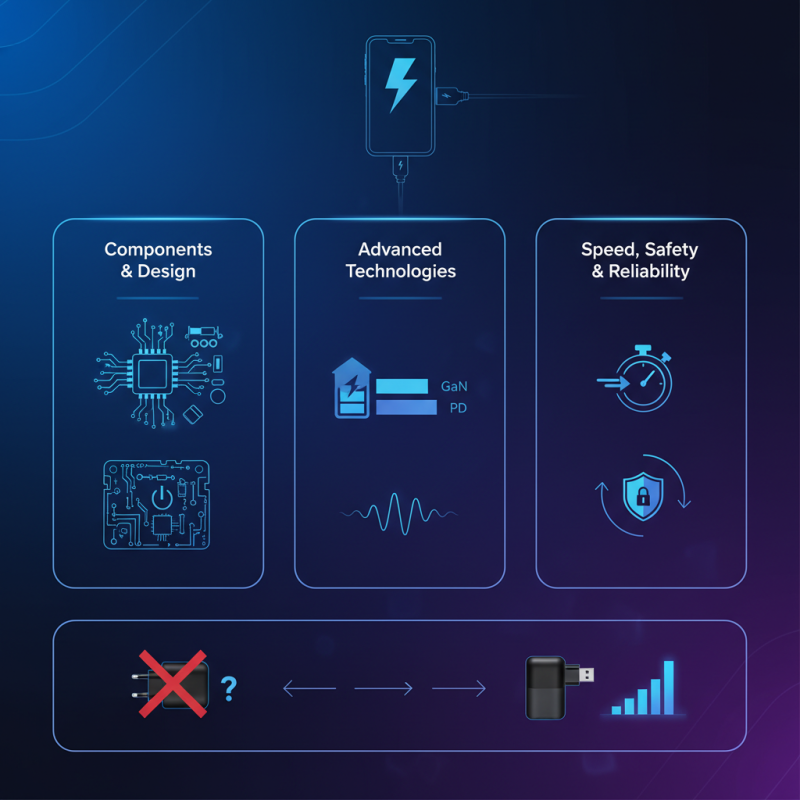
A variety of factors impact USB charging speed. Selecting the right components, implementing efficient designs, and utilizing advanced technologies can make a significant difference. Yet, even with the latest advancements, optimizing these solutions requires a thorough understanding of electrical engineering principles. Balancing speed, safety, and reliability is crucial, but it can be tricky.
To truly optimize charging speed of USB power supply solutions, we must address common pitfalls. Are we relying on outdated components? Are we overestimating power ratings? Each decision impacts not just speed but also device longevity. By integrating expertise and authoritative practices, we can pave the way for faster and more efficient charging solutions.
Understanding USB Power Supply Standards and Protocols
USB power supply standards and protocols are crucial for optimizing charging speeds. These standards define how devices communicate with chargers, impacting power delivery efficiency.
USB Power Delivery (USB PD) is one of the leading protocols today. It can deliver up to 100 watts of power, significantly accelerating charge times for many devices.
Understanding various connectors is also important. Different USB types, like USB Type-A, Type-B, and Type-C, support different power levels.
USB Type-C is becoming the favorite due to its reversible design and ability to transmit both power and data simultaneously. However, many devices still rely on older connections, which limits their charging capabilities.
Tips: Always use cables that are certified for high-speed charging. A cheap, third-party cable may not deliver the required power, slowing down the charging process.
Check compatibility regularly; not all fast chargers work with every device. This detail can often lead to frustrating experiences. When upgrading devices, consider those that support the latest USB standards for optimal performance.
Identifying Factors Affecting Charging Speed in USB Technology
When it comes to USB technology, several factors influence charging speeds significantly. One primary factor is the cable quality. A higher gauge wire reduces resistance and allows for greater current flow, enabling faster charging. Poor-quality cables can limit the charging speed, making it slower than expected. It’s crucial to choose certified cables that meet USB specifications.
The power source also plays a critical role. Different power adapters provide varying outputs. A lower wattage adapter can restrict charging speed. Additionally, the device being charged impacts speed. Some devices limit the amount of power they draw, leading to slower charging times. Moreover, the software within devices can regulate charging by managing power allocation. It’s worth noting that optimizing charging involves understanding all these interactions.
There are still areas of improvement and research. Current USB standards are evolving, but not all manufacturers adopt these rapidly. Compatibility issues can arise from older devices. Reflecting on these factors can lead to better charging practices and equipment choices. Identifying specific limitations will ultimately help users enhance their charging experience.
Evaluating Different USB Charger Types for Optimal Power Delivery
When it comes to optimizing USB power supply solutions, understanding different charger types is essential. Recent industry reports indicate that USB Power Delivery (PD) technology is pivotal for faster charging. USB PD can deliver up to 100W of power, significantly reducing charging time. This is especially crucial for devices with larger batteries, such as laptops and tablets, where traditional chargers fall short.
Using a charger that supports USB PD can lead to 70% faster charging speeds compared to standard USB chargers. Fast charging is not just about speed; it’s about efficiency and device longevity. However, not all cables and adapters facilitate the same level of power delivery. It’s vital to choose a compatible and high-quality cable to avoid performance limitations.
Tips: Always verify the power output of your charger and match it with your device's requirements. Avoid using generic cables that may not support high wattage. Lastly, consider the thermal management of your device; overheating during rapid charging can affect battery life negatively. Even with the right setup, some devices may not charge faster due to internal circuitry limitations. Reflecting on these aspects will help in achieving optimal charging efficiency.
Implementing Advanced Technologies for Faster USB Charging Solutions
The drive for faster USB charging solutions is reshaping technology today. Recent studies indicate that the demand for quicker charging is growing. According to a report by the International Data Corporation, nearly 70% of users consider charging speed a priority when purchasing devices. As a result, manufacturers are investigating advanced technologies to enhance power delivery.
Implementing Power Delivery (PD) protocol is one of the most promising advancements. PD allows for higher wattages, enabling devices to charge at rates up to 100W. This is crucial for laptops and other high-capacity gadgets. Additionally, GaN (gallium nitride) technology is emerging as a game-changer. GaN chargers are typically smaller and can operate at higher efficiencies compared to traditional silicon chargers. Some experts estimate that these chargers can deliver power with up to 95% efficiency.
However, challenges remain. Compatibility issues often arise with different devices using varied protocols. Some users find their devices charging slowly despite the use of advanced chargers, prompting questions about interoperability. As the industry continues to evolve, addressing these challenges will be essential for optimizing USB power supply solutions. Continuous innovation, combined with effective standardization, should lead toward a more efficient charging future.
USB Power Supply Solutions for Faster Charging Speed
Best Practices for Designing Efficient USB Power Supply Systems
When designing efficient USB power supply systems, it's vital to focus on several best practices. A well-optimized circuit design can significantly enhance charging speed. Begin with appropriate voltage and current ratings. Select components capable of handling higher loads. This choice can prevent overheating and ensure stable performance.
Tip: Always consider thermal management. Elevated temperatures can affect the lifespan of your components. Use heat sinks or fans as necessary. Your design should aim for both efficiency and safety.
Another important aspect is the integration of smart charging protocols. These protocols manage the power flow to devices intelligently, ensuring optimal charging rates. It’s worth noting that compatibility issues may arise. Testing your design with various devices can help identify these challenges early on.
Tip: Don’t overlook the quality of PCB layout. Poor layout can lead to increased resistance, affecting overall performance. Check for proper grounding and minimize trace lengths. This attention to detail can make a significant difference in your power supply system.
Optimize USB Power Supply Solutions for Faster Charging Speed - Best Practices for Designing Efficient USB Power Supply Systems
| Parameter |
Value |
Description |
| Input Voltage |
5V |
Standard USB input voltage |
| Output Current |
3A |
Maximum output for faster charging |
| Power Rating |
15W |
Total power output capability |
| Charging Protocol |
USB Power Delivery |
Protocol for achieving higher power levels |
| Cable Type |
USB Type-C |
Supports higher power transmission compared to older types |
| Efficiency |
90% |
Efficiency rating of the power supply |
| Thermal Management |
Active Cooling |
Method to keep temperature in check during operation |
Conclusion
To optimize charging speed of USB power supply solutions, it is essential to understand various USB power supply standards and protocols. These standards dictate how power is delivered and can significantly impact charging efficiency. Factors that affect charging speed in USB technology include cable quality, connector type, and the capabilities of both the charger and the device receiving the power.
Evaluating different types of USB chargers is crucial for achieving optimal power delivery. Advanced technologies such as Power Delivery (PD) and Quick Charge can further enhance charging speed. Finally, implementing best practices in designing efficient USB power supply systems will ensure that devices charge quickly and safely, maximizing users' satisfaction and efficiency in their daily lives.

 JDI Power Supply