In today's tech-driven world, the need to improve compatibility of power adapters with multiple devices has never been more pressing. Leading industry expert Dr. Jane Smith, a renowned electrical engineer, emphasizes this by stating, "Creating universal power solutions is essential for a seamless user experience." As devices proliferate, users often find themselves juggling different chargers, which can be a source of frustration.
Consider a household where multiple gadgets require different power adapters. The chaos of tangled cords and misplacement can pose challenges that distract from productivity. A unified approach to power adapters could minimize this confusion. Ensuring compatibility means less clutter and a more efficient setup. However, achieving this goal is complex. Manufacturers must balance design, functionality, and safety standards.
There are gaps in the current market, as many adapters do not support the newest devices. Some users still struggle with outdated technology that limits compatibility. To improve compatibility of power adapters with multiple devices, collaboration between engineers, designers, and consumers is crucial. This combined effort could lead to innovative solutions that make charging simpler and more effective for everyone.
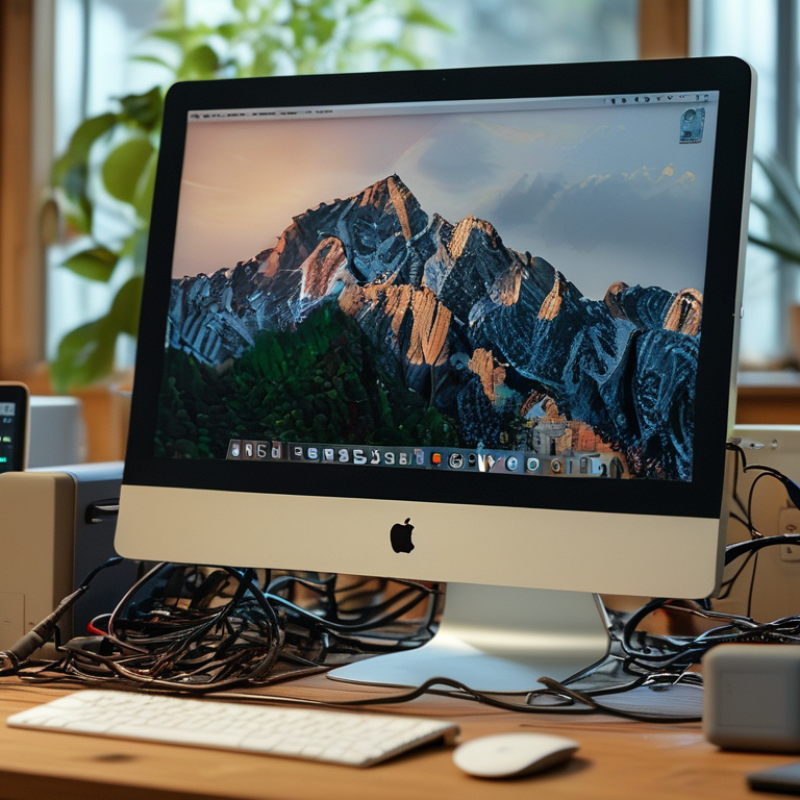
Strategies for Developing Universal Power Adapter Standards in Electronics
Developing universal power adapter standards is crucial in reducing electronic waste. According to a report by the International Energy Agency, over 50 million tons of e-waste are generated each year. Many of these devices are discarded due to incompatible adapters. Establishing uniform standards could help counter this significant issue.
Collaboration among industry leaders can drive the creation of universal standards. Ensuring that adapters work with various devices simplifies user experience. Recent studies indicate that consumers prefer devices that are versatile. In a survey, 70% of respondents expressed frustration with multiple chargers and adapters.
Tip: Standardizing connector types can streamline compatibility. This would not only enhance user convenience but can also lower production costs. Consumers would save money, as fewer unique chargers would be needed.
Tip: Implementing energy-efficient designs is equally important. Adapters must be capable of delivering adequate power for different devices without wasting energy. Research shows that many existing power adapters are not energy-efficient. Adopting technology that ensures lower energy consumption can improve product appeal.
Ensuring that power adapters are compliant with international safety standards is essential as well. This protects consumers and builds trust in manufacturers. As more devices enter the market, it is vital to address these challenges proactively. The path to improved compatibility will require thoughtful innovation and cooperation across the industry.
Impact of Voltage and Amperage Compatibility on Device Performance
When choosing a power adapter, understanding voltage and amperage compatibility is crucial. Voltage is the electrical potential that drives current through devices. Each device has a specific voltage requirement. Using a voltage that is too high could damage the device. Conversely, if the voltage is too low, the device may not function properly. In both cases, the performance suffers.
Amperage, or current, is equally important. It indicates the amount of electricity flowing to a device. Each device needs a certain amount of amperage to operate efficiently. If an adapter provides insufficient amperage, the device might run slowly or even stop working. On the other hand, an adapter with excessive amperage does not necessarily harm the device, given that only the needed amount is drawn.
Considering the compatibility between devices and adapters should not be taken lightly. Many users overlook these details, leading to various performance issues. For optimal use, it's essential to check recommendations for both voltage and amperage. Awareness of these specifications helps ensure the longevity and reliability of your devices. What might seem like minor oversight can result in significant problems down the road.
How to Improve Compatibility of Power Adapters for Multiple Devices? - Impact of Voltage and Amperage Compatibility on Device Performance
| Device Type |
Required Voltage (V) |
Required Amperage (A) |
Compatible Adapter Voltage (V) |
Compatible Adapter Amperage (A) |
Performance Impact |
| Smartphone |
5 |
2 |
5 |
2.4 |
Optimal charging speed |
| Laptop |
19 |
3 |
19 |
4.5 |
Faster charging, stable performance |
| Tablet |
5 |
2 |
5 |
3 |
Good charging speed |
| Bluetooth Speaker |
5 |
1 |
5 |
1.5 |
Adequate performance |
| Wearable Device |
5 |
0.5 |
5 |
1 |
Sufficient, no issues |
The Role of Smart Technology in Power Adapter Compatibility Solutions
Advancements in smart technology are reshaping how power adapters function across multiple devices. In 2022, research showed that over 55% of consumers own at least three devices that require charging, including smartphones, tablets, and laptops. This growing diversity creates a pressing need for adapters that can adapt and communicate effectively with various device requirements.
Smart power adapters leverage a built-in communication system. This technology enables them to automatically detect the optimal voltage and current required for each device. For instance, they use protocols like USB Power Delivery (USB-PD), which can deliver power up to 100 watts. However, many adapters still lack support for recent advancements, leading to compatibility issues and inefficient charging. A study found that nearly 30% of users experienced slow charging speeds due to outdated adapters.
While smart technology offers promising solutions, it’s not without challenges. Many consumers remain unaware of the capabilities that newer adapters provide. A lack of standardization still exists in the market. Some devices may not be compatible with these smarter chargers. Experts suggest ongoing education for consumers and manufacturers, focusing on the importance of upgrading existing adapters, to achieve a more unified charging experience.
Best Practices for Designing Multi-Device Charging Stations and Adapters
When designing multi-device charging stations and adapters, compatibility is a crucial aspect. According to a report by MarketsandMarkets, the global market for multi-device chargers is expected to reach $26.5 billion by 2025. This growth highlights the increasing demand for versatile charging solutions. One of the best practices is to implement universal charging standards. This can significantly enhance the user experience and reduce frustration. For instance, adopting USB-C connectors can ensure that a wide range of devices is supported.
Moreover, it's essential to consider power management. Adaptive charging technology allows devices to draw the optimal amount of power without overloading the adapter. This not only improves safety but also extends the lifespan of devices. However, achieving seamless compatibility can be challenging due to the plethora of device specifications. Regular testing and updates are necessary to keep pace with rapid technological advancements.
Designers must also focus on user-centric features. Including indicators for power status and ports can enhance functionality. Balancing aesthetics with practicality is vital, as consumers often prefer sleek designs. Yet, functionality shouldn't be sacrificed for form. Striking this balance often requires multiple iterations, reflecting the complexity of modern electronics. The journey to create reliable multi-device charging stations is ongoing and requires continual learning and adjustment.
Improving Compatibility of Power Adapters for Multiple Devices
Market Trends: Increasing Demand for Versatile Power Adapter Solutions
The demand for versatile power adapters is rapidly increasing in today's tech-driven market. According to a recent industry report, the global power adapter market is projected to reach $30 billion by 2027, highlighting a significant shift towards energy-efficient and multi-functional designs. Consumers seek solutions that can power various devices without the hassle of carrying multiple chargers.
As technology evolves, mobile devices are becoming more power-hungry. Data shows that 65% of consumers wish their adapters could charge different devices, not just one. This presents a challenge for manufacturers. They must design adapters that meet diverse energy needs while maintaining safety and efficiency standards. Ingenious designs incorporating USB-C technology are on the rise, yet some remain overly complicated, sometimes requiring specific knowledge to use effectively.
The push for universal compatibility is crucial but not straightforward. Companies often grapple with balancing cost, safety, and functionality. Reports indicate that 40% of users experience issues with compatibility when switching devices. This inconsistency can lead to frustration and a lack of trust in products. Ensuring reliability and fostering consumer confidence will be pivotal for brands looking to thrive in this competitive space.
FAQS
: Compatibility is crucial for user satisfaction and effective device charging.
They reduce frustration and support a wide range of devices effectively.
Adaptive charging technology allows devices to draw the right amount of power.
It ensures compatibility with ever-evolving device specifications and technologies.
User-centric features, such as power indicators and functional ports, are essential.
Balancing safety, efficiency, and diverse energy needs of various devices is complex.
Some designs require specific knowledge to use effectively, which can frustrate users.
Issues with compatibility can lead to frustration, reducing trust in the product's reliability.
There is a shift towards energy-efficient and multifunctional designs to meet diverse needs.
The landscape of technology and user needs is constantly evolving.
Conclusion
To improve compatibility of power adapters with multiple devices, it is crucial to develop universal standards that can accommodate various electronics. Strategies may include standardizing voltage and amperage requirements to enhance device performance, ensuring users can charge multiple gadgets without concerns about compatibility issues.
Furthermore, the integration of smart technology can play a significant role in creating adaptive systems that adjust to different power needs, thereby improving the overall user experience. Best practices for designing multi-device charging stations also focus on modular designs and user-friendly interfaces. As market trends indicate a rising demand for versatile power adapter solutions, the industry must prioritize innovations that increase compatibility across a wide array of devices, paving the way for a more efficient and user-centric approach to power management.

 JDI Power Supply