In today's tech-driven world, the demand for power adapters and converters is higher than ever. According to Dr. Emily Carter, an expert in electronics engineering, "To extend service life of power adapters and converters, proper maintenance is key." This emphasizes the importance of care in prolonging device longevity.
Power adapters and converters are prone to wear from everyday usage. Heat, dust, and incorrect voltage can all shorten their lifespan. Users often overlook basic preventive measures. Simple actions, like unplugging devices when not in use, can significantly reduce wear and tear. Additionally, using surge protectors can help shield these components from power spikes, which further aids in extending service life.
Many consumers struggle with understanding how to properly maintain their devices. They might think that once a device is purchased, it requires no further attention. Yet, this can lead to premature failure and additional costs. Following expert advice is essential for keeping these crucial devices running optimally.
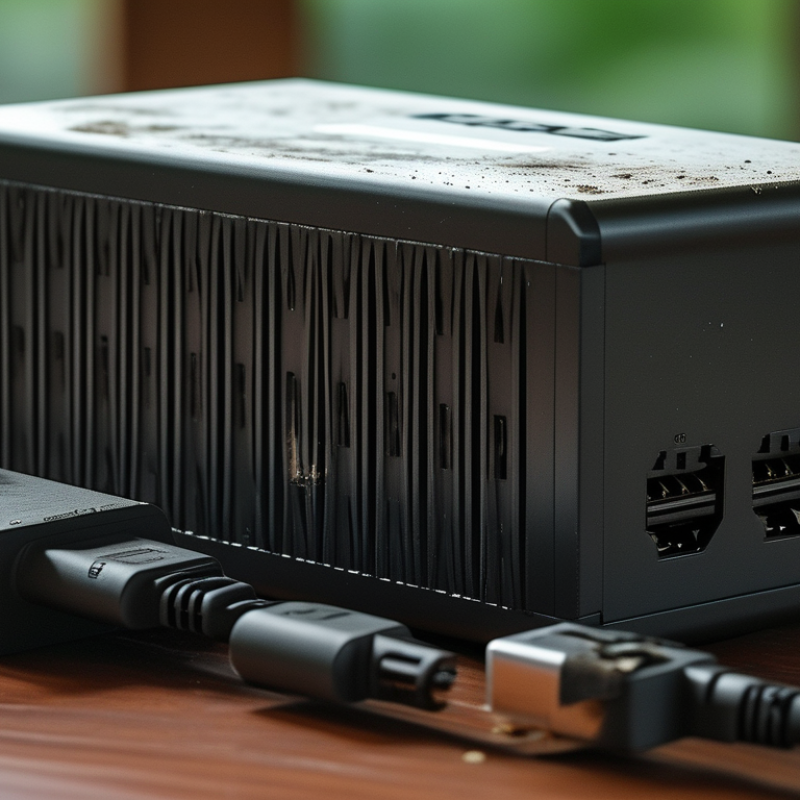
Power adapters and converters play a vital role in our daily lives. They transform electrical energy to the suitable voltage and current for various devices. This process is crucial for ensuring the safety and efficiency of our electronics. Understanding these components can help users appreciate their function and longevity.
The core of a power adapter is the transformer. It changes voltage levels. Essential circuitry, such as rectifiers and regulators, converts AC to DC. Each part influences the overall performance and lifespan. Components can wear down over time. Heat buildup during use can shorten their operational life.
Regular maintenance can improve durability. Avoid exposing adapters to extreme conditions. Dust accumulation can also affect performance. Proper storage is key. Using adapters within their rated specifications ensures they function effectively. Consider these details to extend their service life significantly.
Power adapters and converters play a crucial role in our daily electronic lives. Understanding common causes of their failure can help extend their service life. Overheating is a significant concern. This often results from prolonged use or inadequate ventilation. When adapters get too hot, internal components can be damaged. Dust accumulation is another issue. Dust can block vents, trapping heat.
Device compatibility also matters. Using an adapter not tailored for a specific device can lead to malfunction. Over-voltage or under-voltage can strain the internal circuitry. This mismatch may cause permanent damage. Additionally, physical stress from cable pulling or bending can lead to wire fatigue. These simple actions can wear out connectors and impact performance.
Tips to enhance longevity include regularly cleaning the adapter. Keep it free from dust and debris. Ensure proper ventilation during use. Avoid wrapping cables tightly around the adapter. This can prevent bending and breaking. Periodically check for frayed wires or damage. Being vigilant can save you from unexpected failures. Staying aware of these factors can help you make informed choices.
| Cause of Failure | Description | Prevention Tips | Impact on User |
|---|---|---|---|
| Overheating | Excess heat can damage internal components. | Keep vents clear and ensure proper ventilation. | Shutdown or failure of devices. |
| Electrical Surge | Power spikes can cause immediate damage. | Use surge protectors and voltage regulators. | Loss of data and appliance malfunction. |
| Poor Quality Materials | Substandard components can fail quickly. | Choose reputable manufacturers. | Increased frequency of replacements. |
| Environmental Factors | Humidity and dust can lead to corrosion. | Keep in a dry and clean environment. | Reduced efficiency and lifespan. |
| Cable Damage | Frayed or pinched cables can cause shorts. | Regularly inspect cables for wear. | Interruption in power supply. |
To efficiently extend the lifespan of power adapters and converters, it is crucial to prioritize safe usage practices. One of the fundamental aspects is ensuring appropriate ventilation. Overheating can significantly shorten the life of these devices, causing potential malfunctions. Always use adapters in well-ventilated areas. If a device feels hot after use, consider letting it cool down before further operation.
Another best practice involves inspecting cables and connectors regularly. Look for signs of wear, such as fraying or cracking. Damaged cords not only function poorly but may also pose safety hazards. Replace any damaged components immediately. Additionally, avoid forcing plugs into incompatible sockets, as this can lead to permanent damage.
Tips: Always unplug when not in use. This simple action can prevent overheating and save energy. Ensure adapters are compatible with their devices to avoid overloading. Remember, sometimes less is more; using fewer adapters can lead to fewer failures. Keeping devices organized helps avoid tangling, which can lead to wear and tear over time.
This chart illustrates the impact of different factors on the longevity of power adapters and converters. Understanding these can help you maintain your devices effectively.
Proper storage and maintenance are essential for extending the life of power adapters. Keep them in a cool, dry place to avoid overheating. High temperatures can degrade internal components. Avoid storing them in high-humidity areas, as moisture can cause corrosion. Using a protective case can safeguard against dust and physical damage.
When not in use, disconnect the adapter from the outlet. Continuous charging can lead to unnecessary wear. Regularly inspect the cables for fraying or cracking. If you notice wear, it’s best to replace the adapter. Avoid wrapping cables tightly around the adapter. This can lead to bends that weaken the wiring over time. Giving them space can help maintain their integrity.
Be cautious when using extensions or multi-outlet devices. Overloading can cause malfunctions. Test the power output of outlets periodically. Ensure they are functioning properly. Adherence to proper usage guidelines can significantly minimize issues down the line. Reflecting on these habits will lead to better practices in handling power adapters.
When it comes to power adapters, certain signs signal that replacement is necessary. A study from the International Energy Agency (IEA) suggests that overheating is one of the biggest risks. If your adapter becomes unusually warm during use, it may indicate internal issues. Prolonged heat can lead to complete failure.
Another crucial indicator is frayed or damaged cords. According to the U.S. Consumer Product Safety Commission, damaged power cords account for about 40% of electrical-related incidents. If you notice any wear, it's time to act. Inspect your adapter regularly for visible signs. A small crack can become a significant problem.
Lastly, unusual noises from the adapter, like buzzing or clicking, can indicate underlying faults. Research shows that a significant percentage of appliance failures stem from electrical components. Ignoring these sounds could lead to greater issues down the line. Recognizing these signs early can help prolong the life of your devices and maintain energy efficiency.
: They transform electrical energy to appropriate voltage and current for devices. This ensures safety and efficiency.
The transformer is the core component, changing voltage levels for various devices.
Heat buildup during use can wear out components, shortening their operational life.
Regularly inspect for dust and avoid extreme conditions. Proper storage is essential.
Overheating, damaged cords, and unusual noises can indicate it's time to replace the adapter.
Overheating signifies internal issues and can lead to complete failure if ignored.
Damaged cords account for a high percentage of electrical-related incidents and can be hazardous.
Inspect the adapter regularly. A small crack can escalate into a major problem.
These sounds often indicate internal faults and should not be ignored to prevent greater issues.
Using adapters beyond their rated specifications can lead to ineffective performance and potential failure.
To extend the service life of power adapters and converters, it is essential to understand their components and common failure causes. Power adapters generally consist of a transformer, rectifier, and various protection circuits, all of which can be affected by factors such as overheating, overloading, and poor connections. Adhering to best practices, like using adapters within their specified voltage and current ratings, can greatly enhance their longevity. Additionally, proper storage and maintenance, such as keeping them in cool, dry places and avoiding excessive bending of cables, are crucial for preventing wear and tear.
Regularly inspecting for signs of wear, such as frayed wires or unusual sounds, can help identify when a power adapter needs replacement. By implementing these strategies and being mindful of their usage, users can effectively extend the service life of power adapters and converters, ensuring reliable performance over time.

JDI Power Supply